Navigating the Texas Historic Preservation Tax Credit Program
Spellerberg Projects is an artist-run center with a storefront gallery, a program space, and a dozen artist workspaces. We purchased the building at 103 S Main St in Lockhart, Texas, in 2015 and rehabilitated it for this purpose. When we planned the construction, we included the Texas Historic Preservation Tax Credit Program in the financing from the start. The process took about eight years, was rarely straightforward, and resulted in a thriving community of studio artists and the successful sale of our tax credits. Here’s how it went.

Getting started
Around 2018, I attended a City Hall meeting where representatives from the Texas Historical Commission (THC) joined City of Lockhart staff to discuss incentives for rehabilitating historic buildings.
The state program offers a 25% tax credit on eligible rehabilitation costs, and many projects can also get an additional 20% federal tax credit. Since the program began in 2015, the state has certified over 550 projects, accounting for more than $4 billion in qualified expenses. Additionally, the City of Lockhart provides a property tax abatement for historic rehabilitation. We decided to pursue both the state credit and the city abatement.
I kept waiting for some criteria that would prevent me from participating, but there weren’t any! After the meeting, I was determined that these programs would be a part of my remodel project.
I filed Part A of the state program, which establishes the property’s eligibility, in July 2019. Not long after, a tax credit broker named Justin Gordon reached out to help me sell the credit once it came through. Justin is the master of follow-up and stayed with the project as it progressed.
Settling on a scope
The next stretch was the longest, in terms of calendar time, as I worked through several versions of the plan. Each one pared down down until I settled on a scope that worked well for both the building’s rehabilitation and the business model. A major factor was the roof. We had dealt with substantial leaks from the beginning. Also, we needed to replace the main HVAC system, which ran on discontinued refrigerant. The rest of the project took shape around these repairs. I restructured the interior partitions to improve the artist studios and climate-control the back space on the second floor, creating additional work spaces.
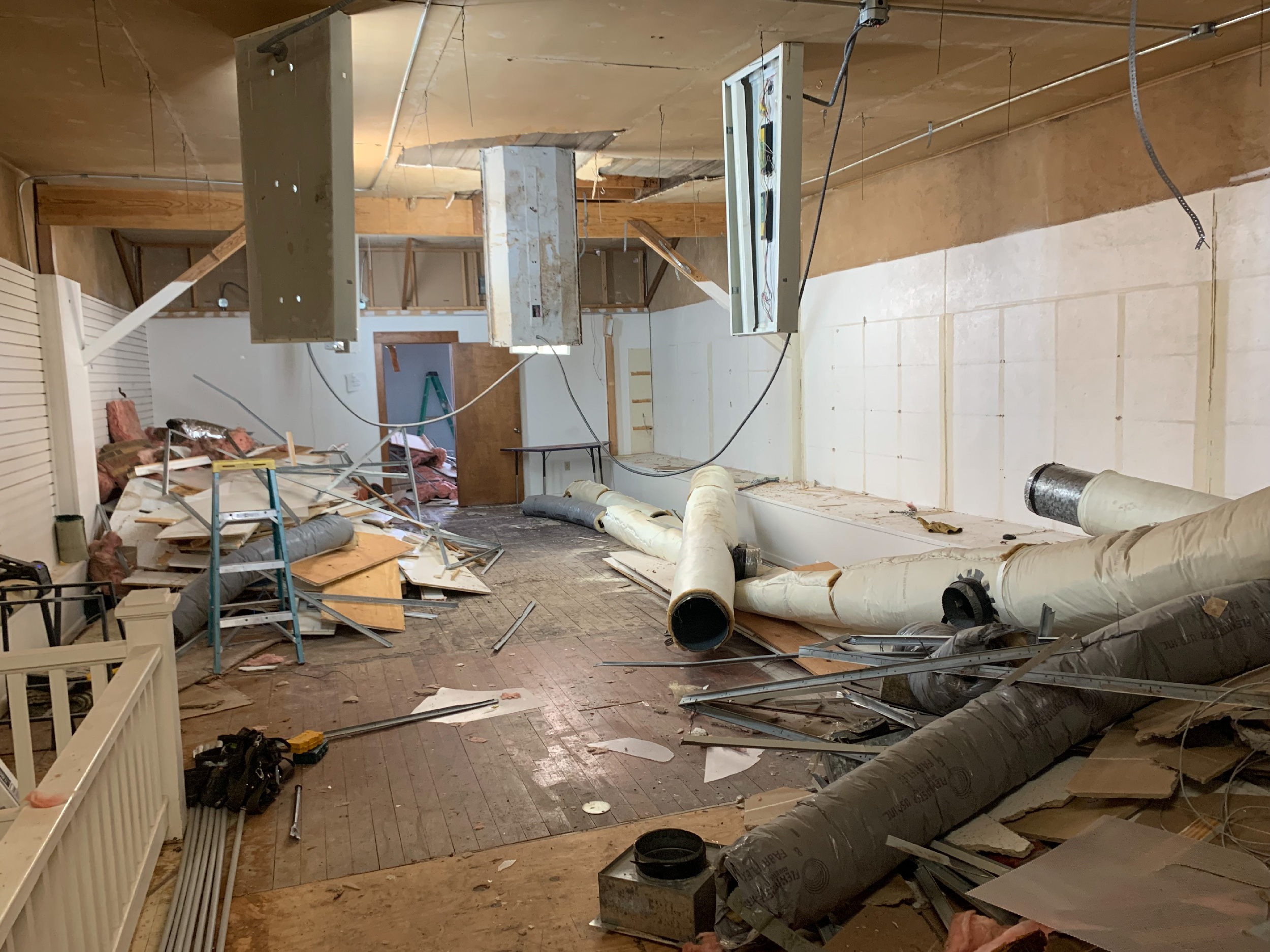
The work permit was issued in August 2023. With the project scope settled and the City’s go-ahead, I submitted Part B to the THC in September 2023, outlining the work to be done. Construction took place from 2023 to 2024, and we received our certificate of occupancy in September 2024.
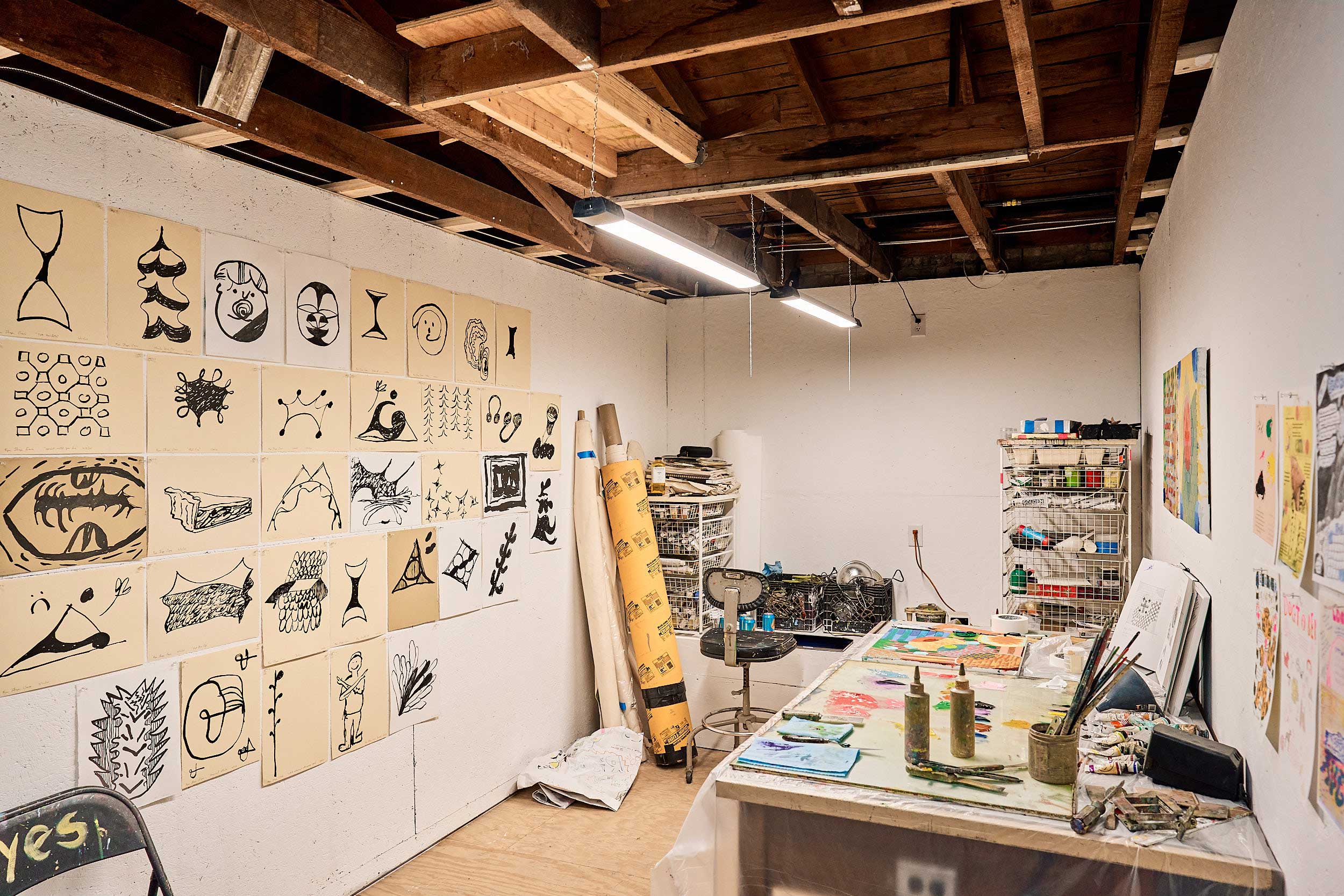
I will note that my goal was never to create a pristine, finished space. Our “after” result is intentionally rough. I designed the space such that it’s okay to make a bit of a mess, and for artists to feel ok with work in progress.
The Lockhart abatement
Alongside the state credit, I also pursued the City abatement, which reduces municipal taxes on the property. I submitted the completion letter to the City in February 2025. Here I ran into an odd wrinkle. The ordinance required us to report back within a year of starting the project. But our construction took longer than anticipated, and the ordinance did not account for such delays.
At that time, very few people had used the local program. I was only the third participant, as far as I could tell. Since we were all still figuring things out, we had to approach the city council to amend the ordinance. With that done, the abatement was applied starting with the 2025 tax year.
Certification
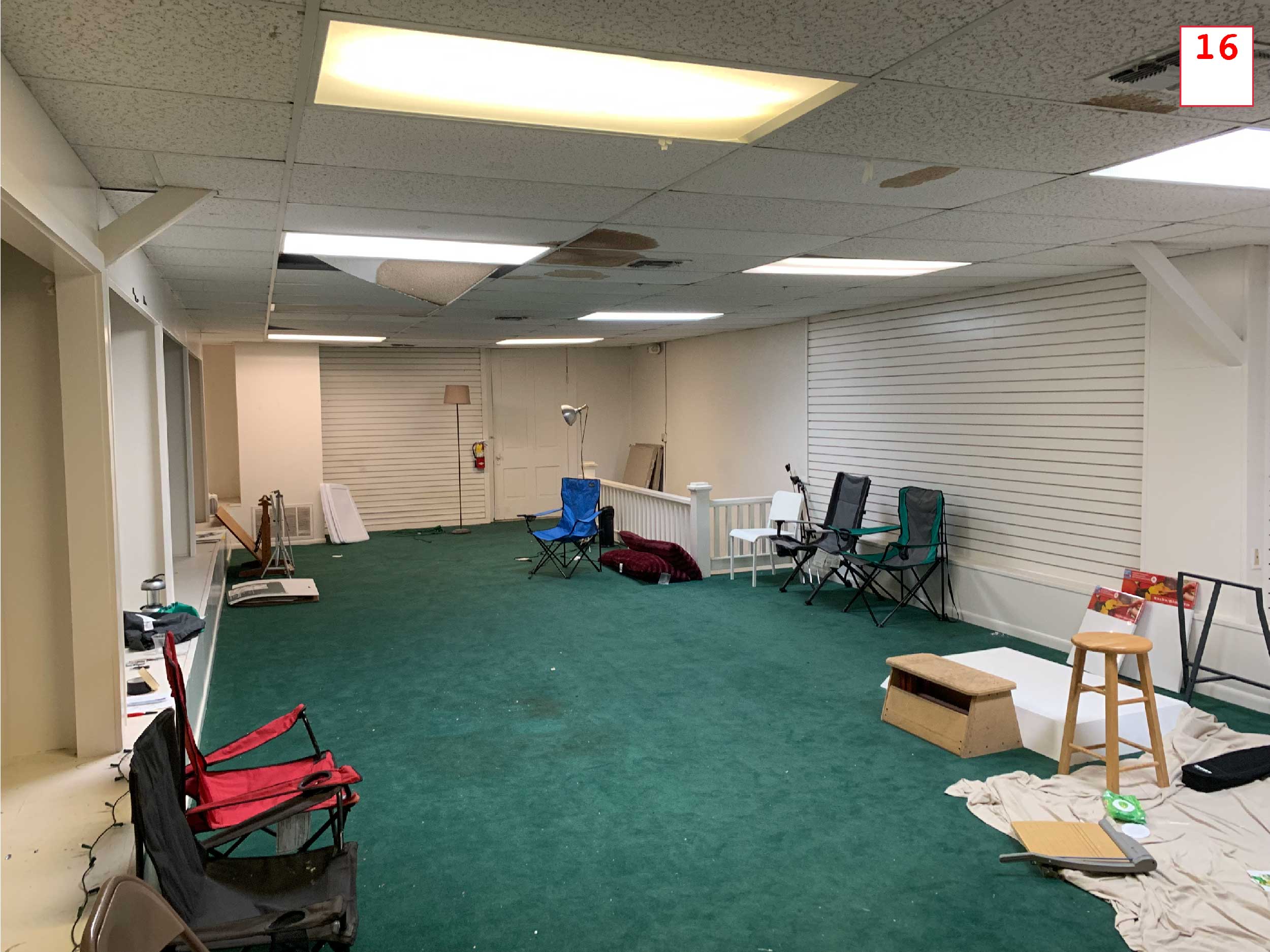
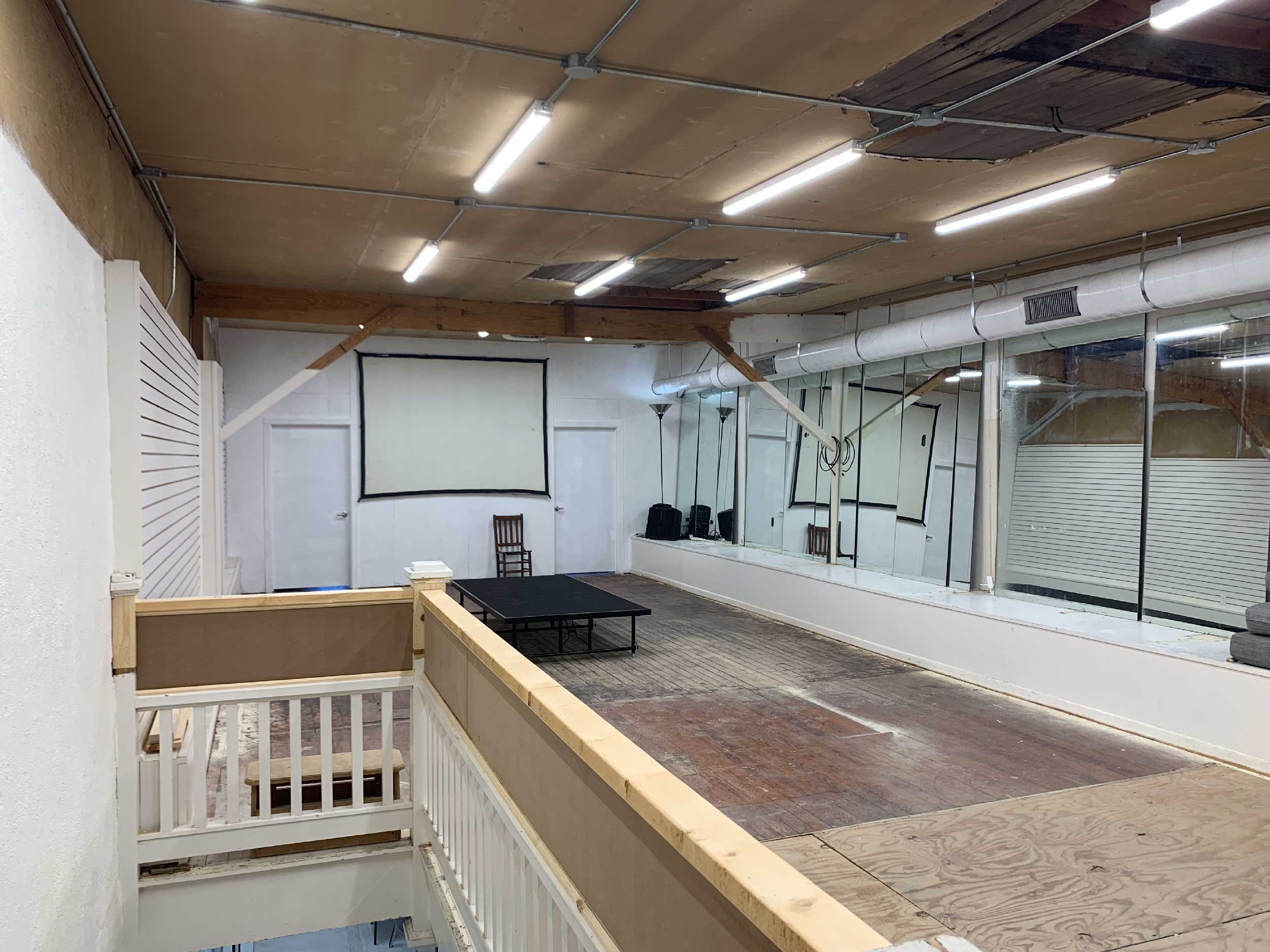
On the state side, a couple of hurdles remained. The Part C review certifies the completed work. We had left the larger upstairs room, previously the “library” and now designated for public programs, in quite a rough condition. Reviewers requested that we improve its appearance to align with the descriptions in our Part B application. (Fair.)
We finished that work and received certification in September 2025. The project was highlighted in the THC Division of Architecture’s quarterly report for July–August 2025 and included in the materials for the Commission’s Architecture Committee meeting on November 6, 2025. The Commission summarized our project this way:
History. The origins of 103 S. Main Street are uncertain. Although property records show Gus Birkner—a prominent builder responsible for many downtown Lockhart structures—as the owner, there is no definitive evidence linking him or anyone else directly to its construction. Located among the buildings facing the 1893 courthouse, 103 S. Main is part of a remarkably intact collection of architecturally significant commercial buildings encircling the historic Caldwell County Courthouse Square. As such, it is a contributing structure within the Caldwell County Courthouse Historic District, and gains its historic significance from being a part of this rich local historic fabric.
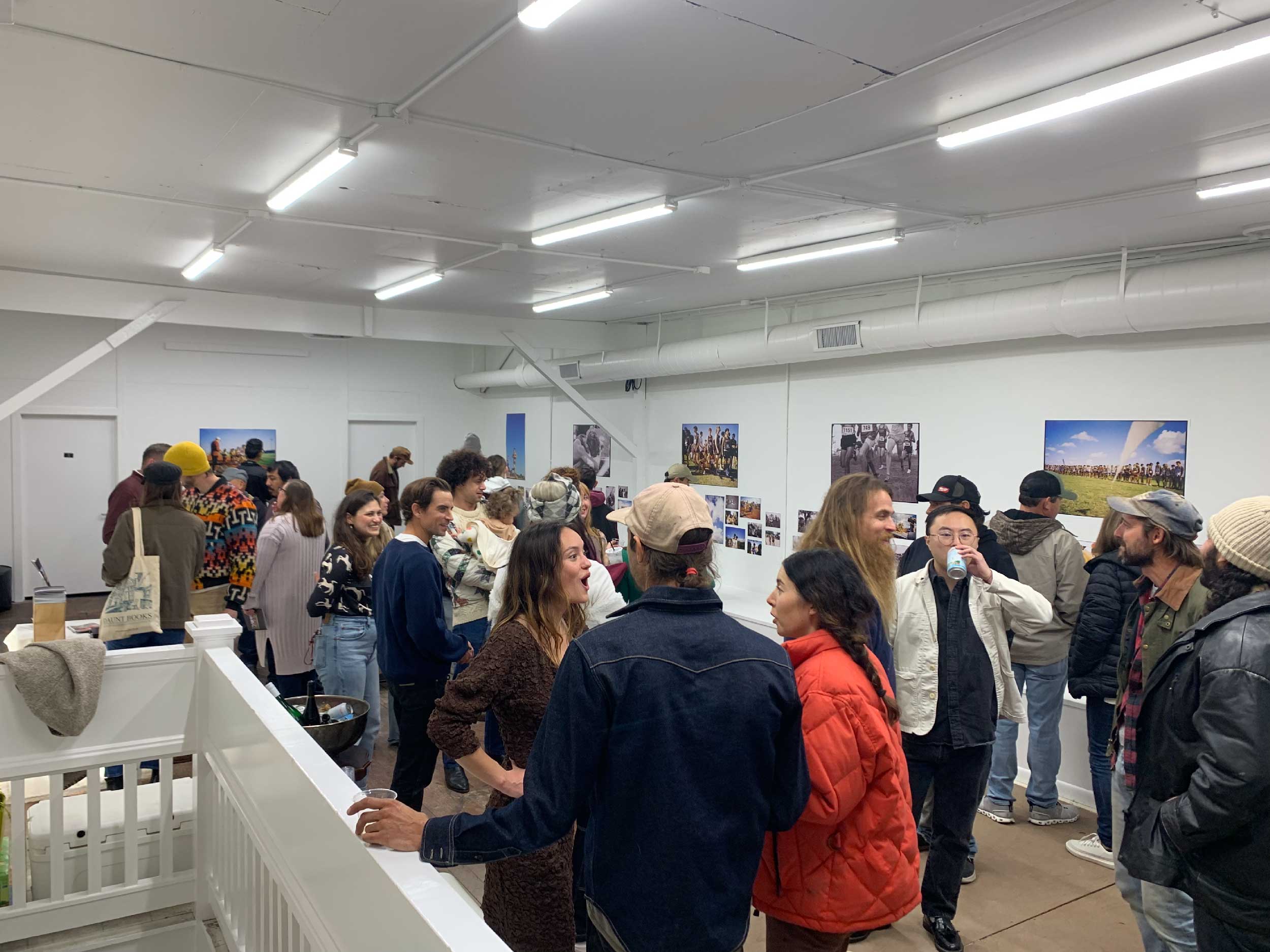
Rehabilitation Project. Driven by a desire to create a space for artmaking and exhibition, the sole proprietor brought his vision to life by acquiring a historic building located on the main square of downtown Lockhart. The two-story, 4,840-square-foot masonry structure had previously served primarily as office space. Through thoughtful rehabilitation, the building lightly transformed its floor plan into a gallery on the main floor—complete with back-office space, small art studios, and a restroom—while the second floor was converted into two offices, a conference area, and a series of artist studios. Despite the challenges of being a first-time tax credit project applicant and working with a limited budget, the proprietor successfully revitalized the historic structure into a vibrant cultural gem at the heart of Lockhart’s historic district that features contemporary art exhibitions, performances, classes, and workshops.
Audited and sold
To receive the credit, the state required an audited cost report, which a third-party CPA firm completed in February 2026. Since Spellerberg Associates does not owe franchise tax to apply the credit against, the credit isn’t much use to us directly. Texas permits the sale or transfer of the credit. True to form, Justin placed the credit with a buyer in April 2026.
Looking back
The journey from our initial meeting at City Hall to selling the credit took about seven years. It wasn’t a straightforward path, mainly because I was inexperienced. Left to my own devices, I might have taken smaller steps; the program encouraged me to bring everything together into one cohesive project. The program encouraged me to consolidate everything into one cohesive project. Although this approach was more challenging, it ultimately led to the facility I have today.
If you’re considering rehabilitating your historic Texas property, I’d be happy to discuss the process with you. I learned through trial and error, and I’d love to help you avoid some of those detours. I can share what to expect, how to handle multiple reviewers, and what I would do differently based on my experience. If you’re on that path, please reach out. I’d love to hear about your project.
Project Credits
- Owner / Design: Spellerberg Associates LLC — Marty Spellerberg
- General Contractor: Lockhart Construction LLC — Shawn Martinez
- Accessibility Consultant: theACCESSpartnership, lp — Chris Schexnayder
- Tax Credit Audit: Condley and Company, L.L.P.
- Tax Credit Placement: Fallbrook Financial Services — Justin Gordon
- State Review: Texas Historical Commission, Division of Architecture
- Local Review: City of Lockhart Historical Preservation Commission — Kevin Waller, Historic Preservation Officer
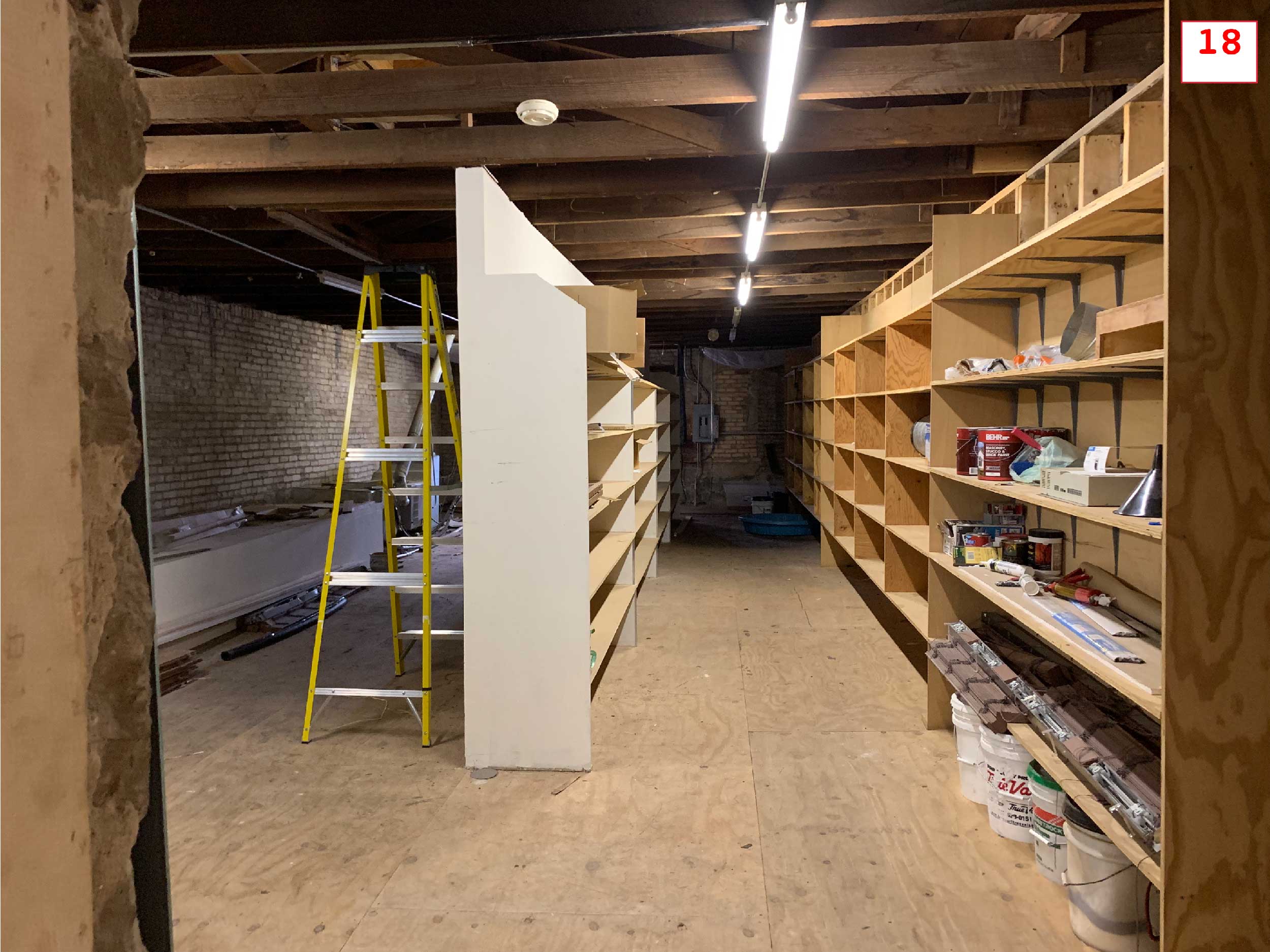
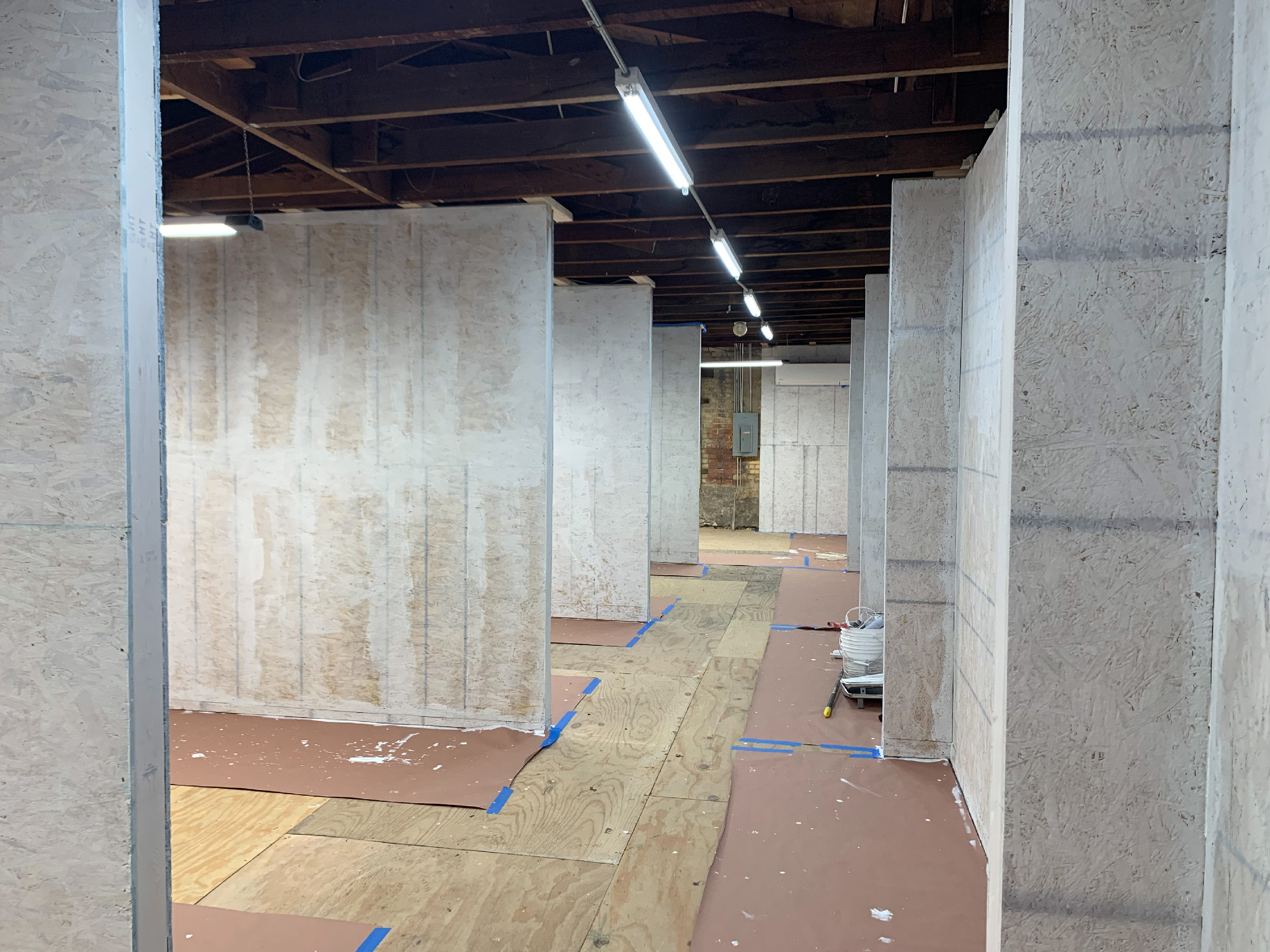
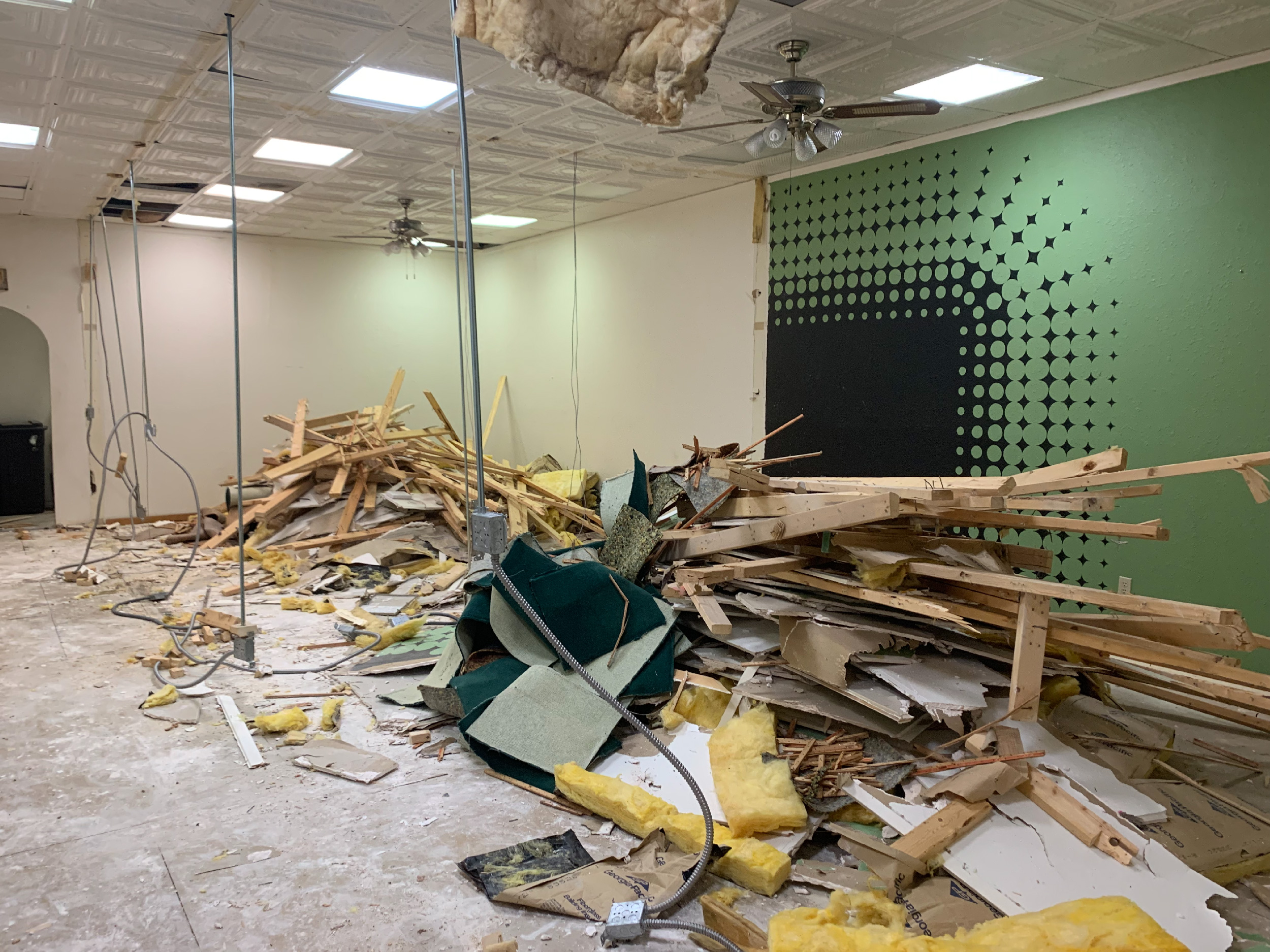
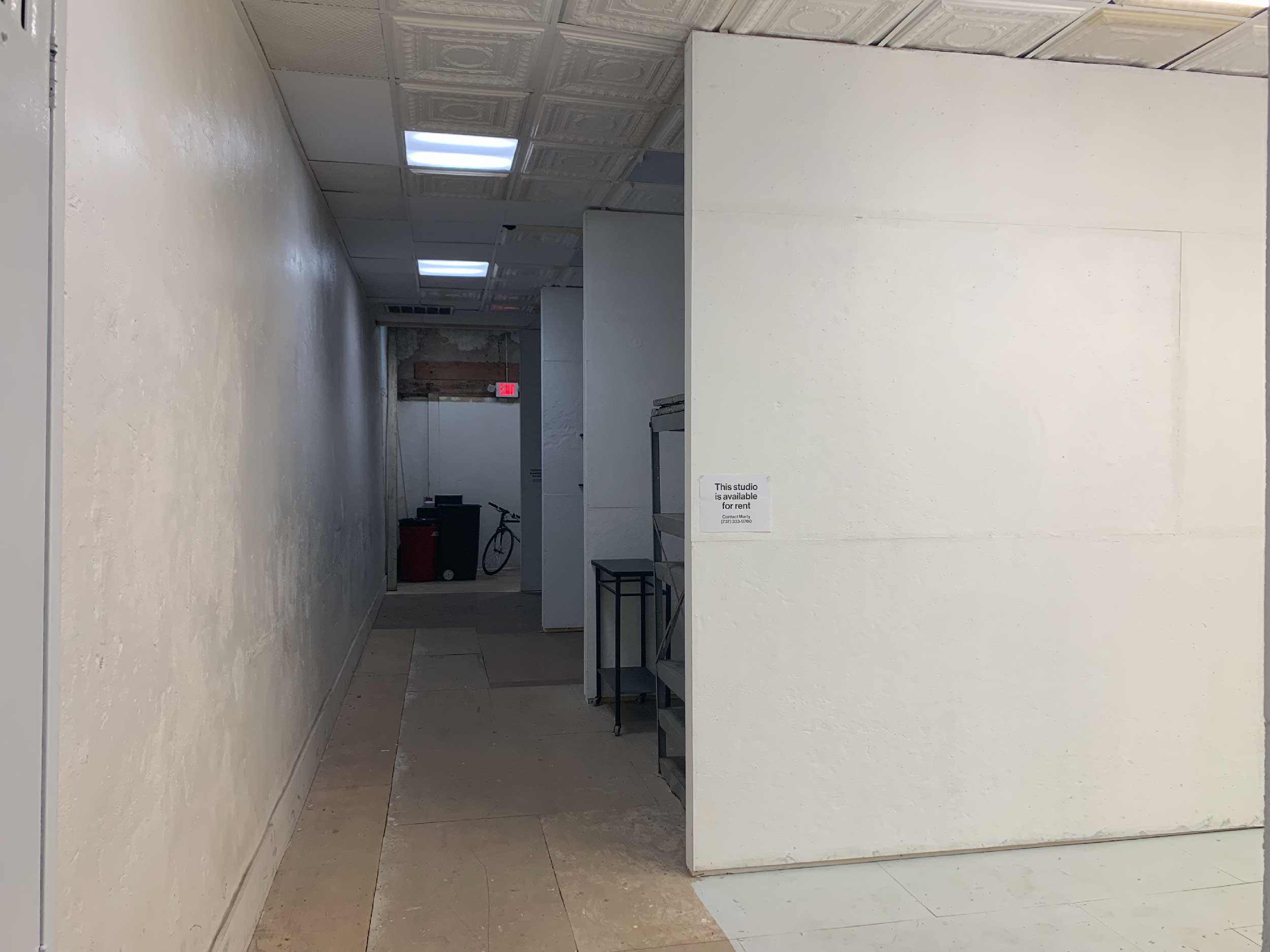
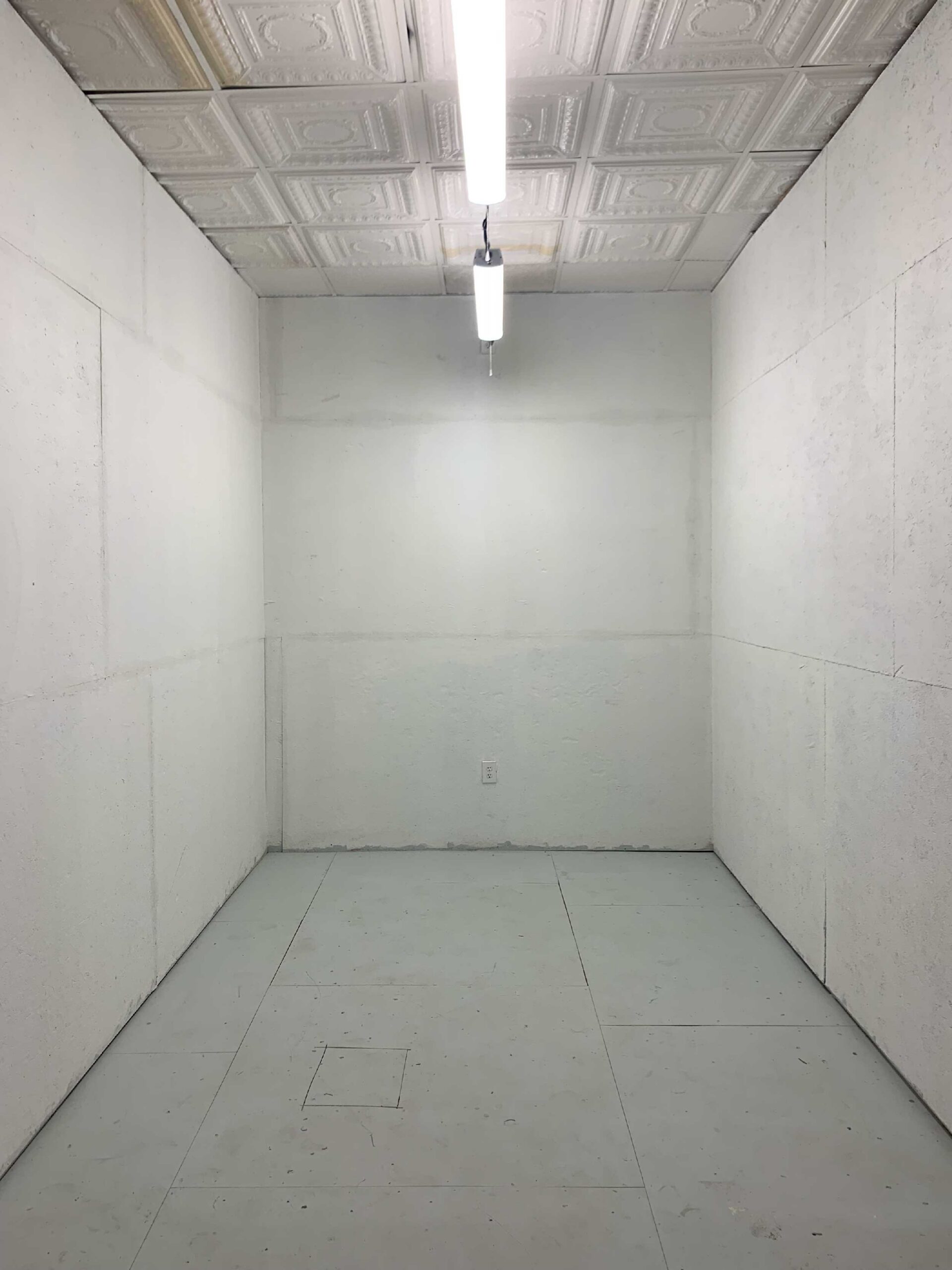
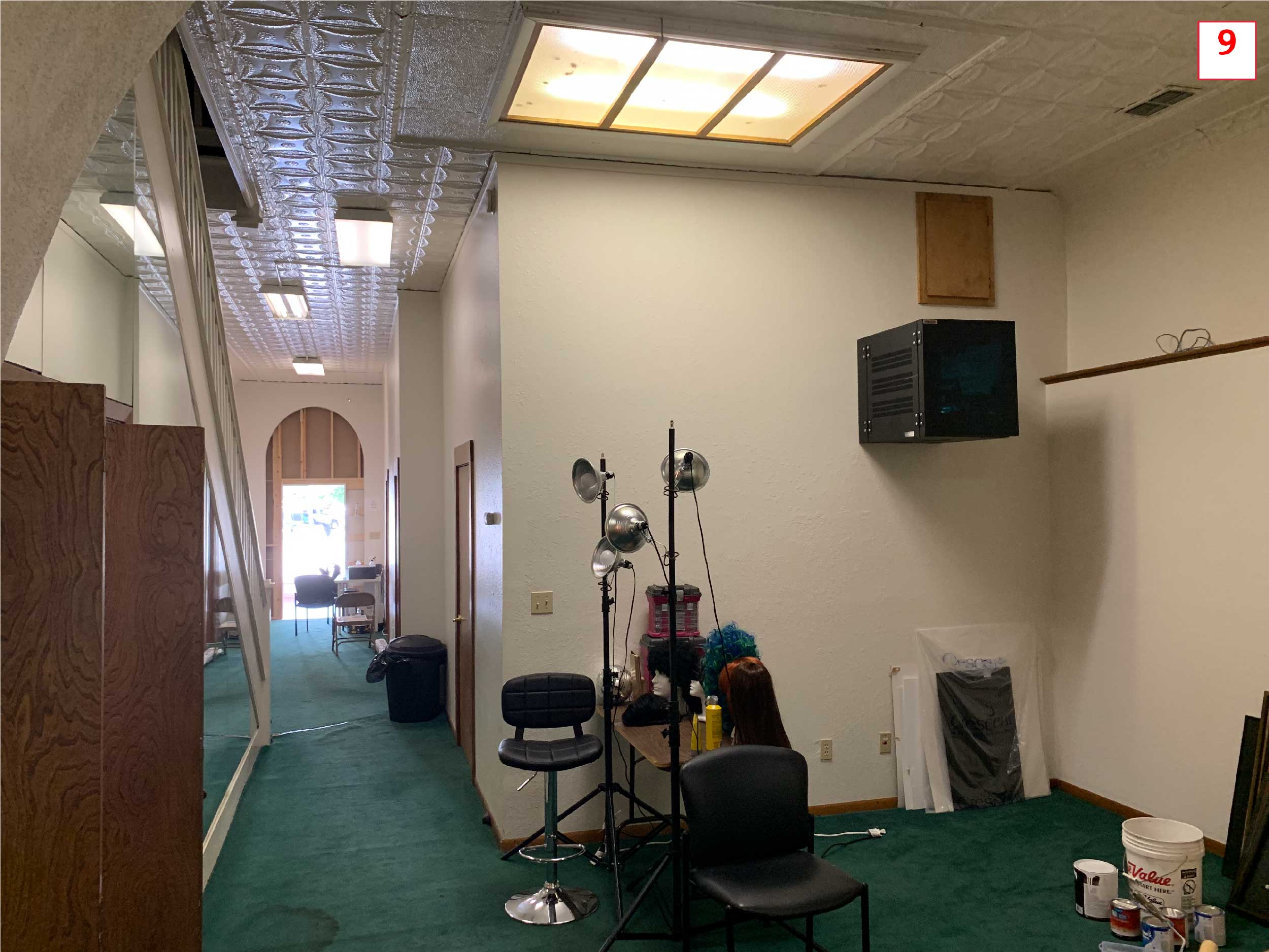
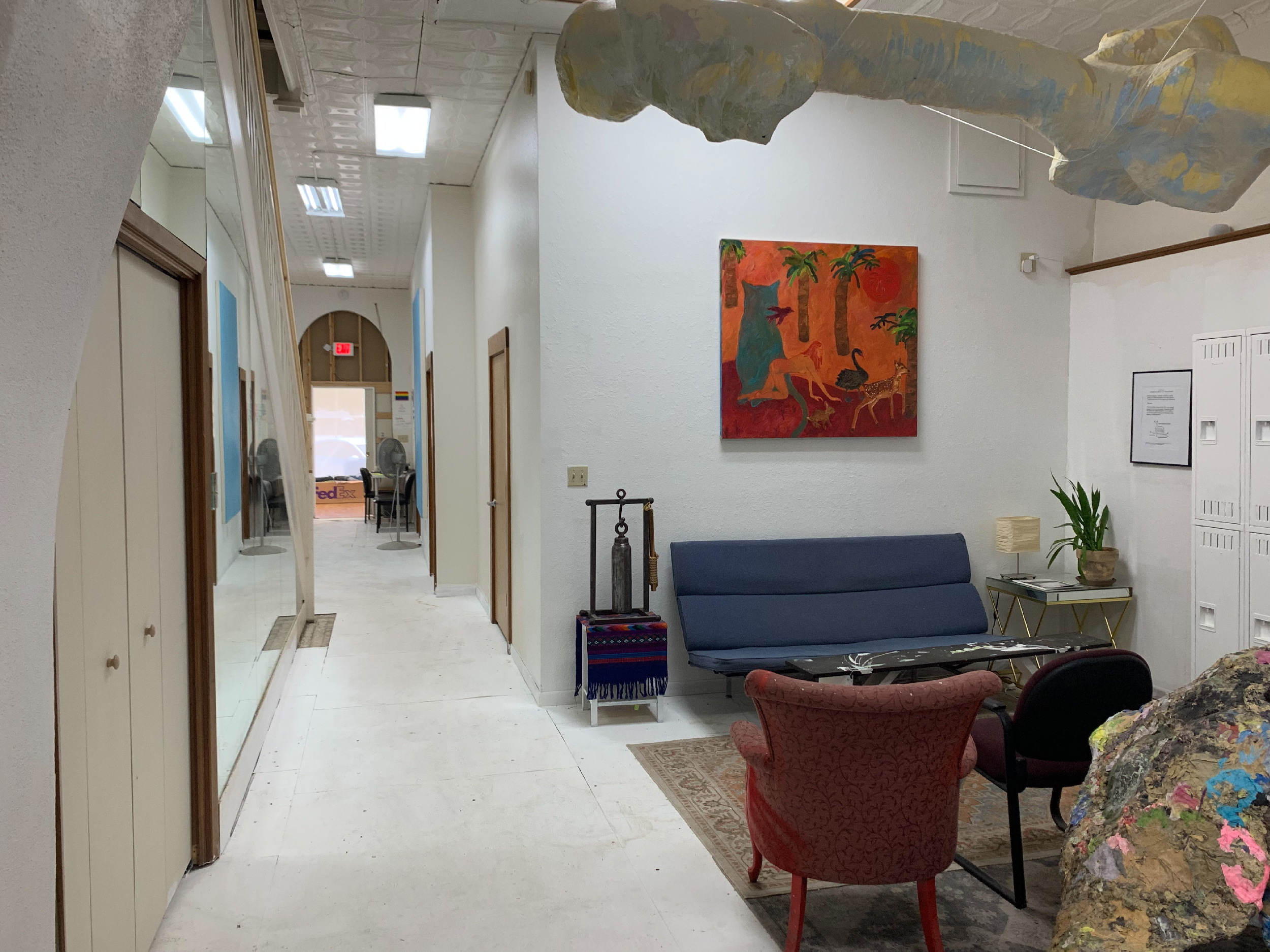
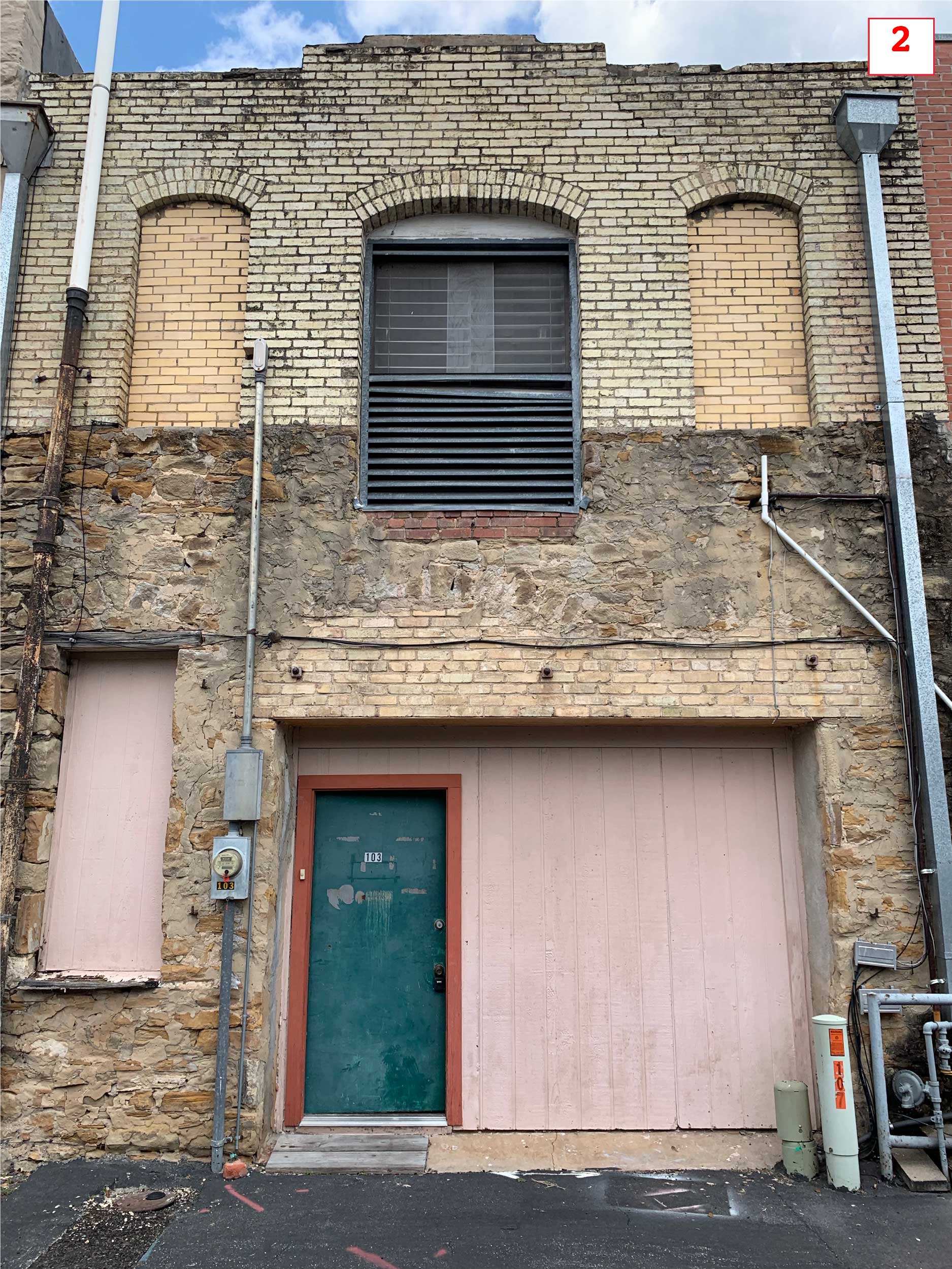
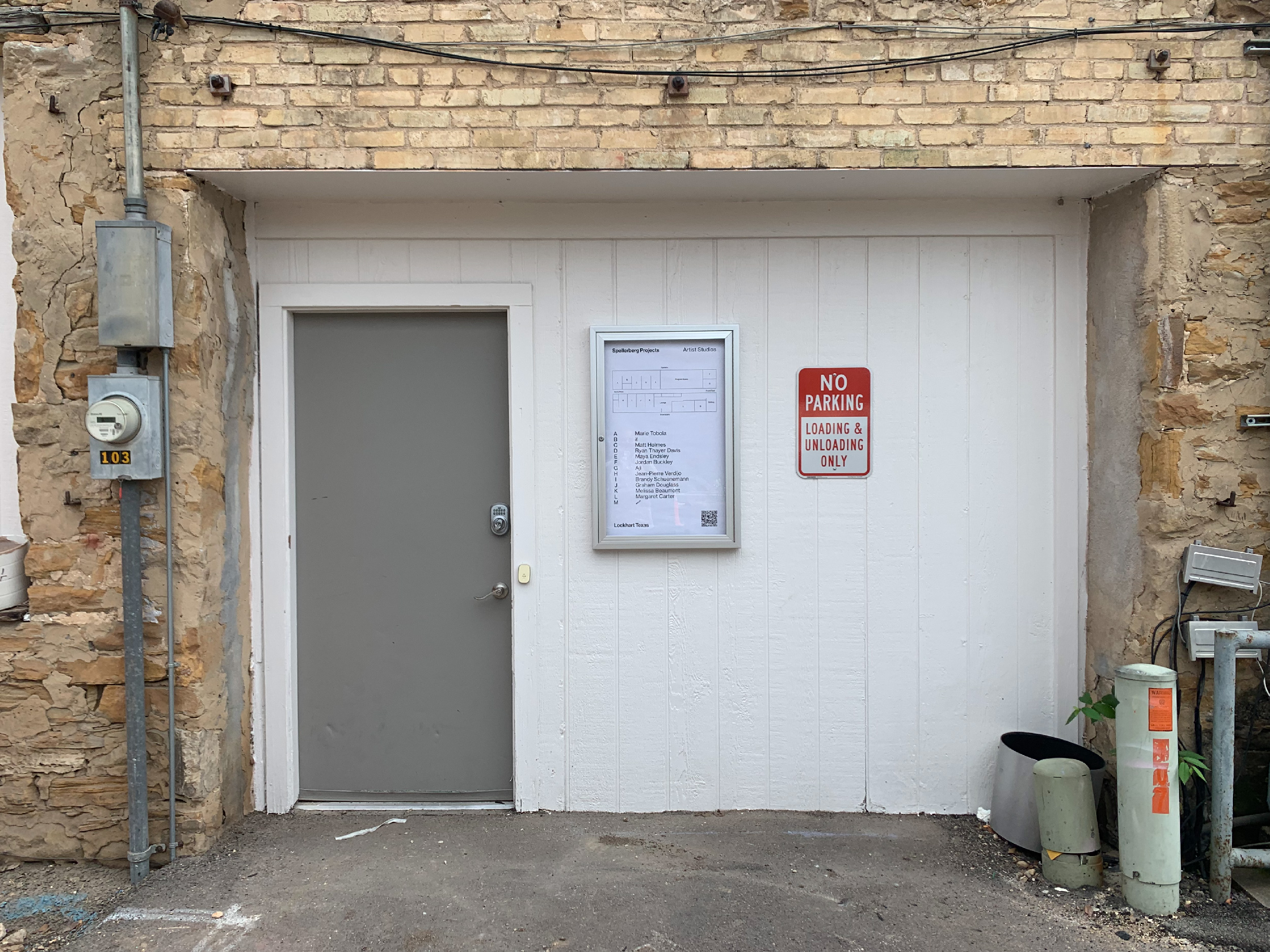
Below are some images from the project — before, during, and after.


Posted October 2026