Museums
Page 4 of 4
March International
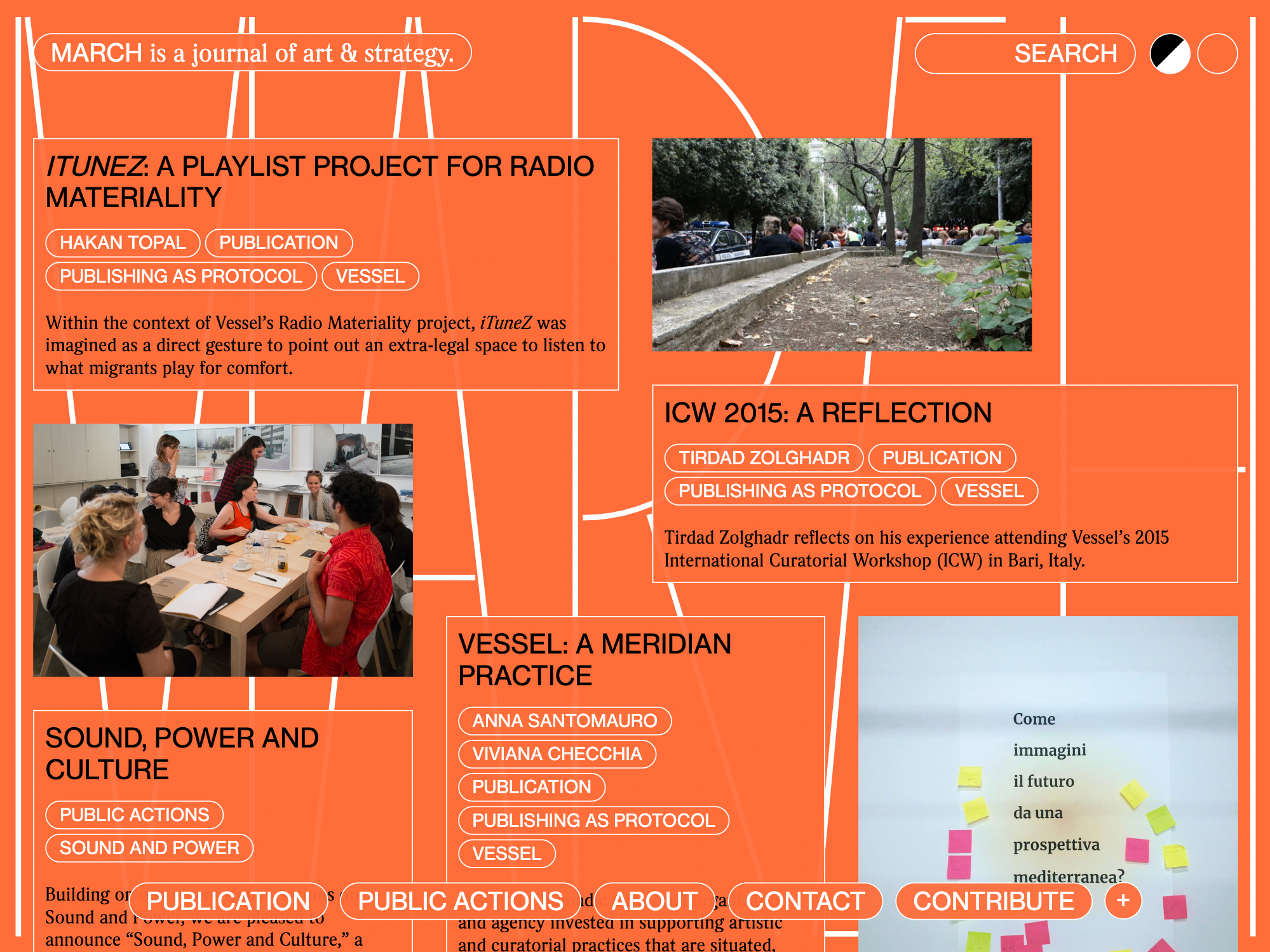
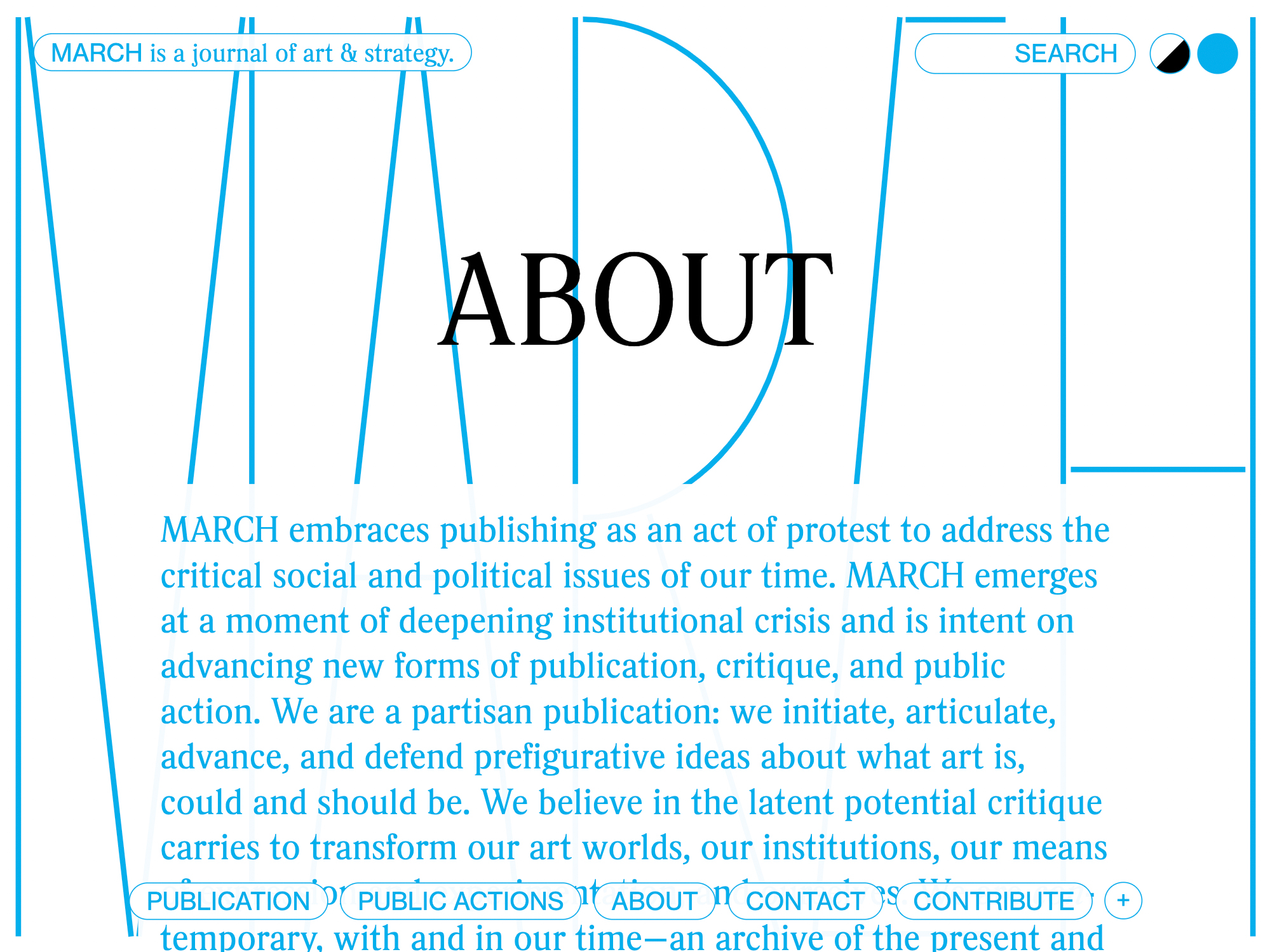
MARCH is a journal of art & strategy founded by Sarrita Hunn and James McAnally. In 2021/22 we helped launch the publication by developing its website. Haynes Riley of Good Weather did the design.
A Digital Curatorial Platform for Canyon Cinema
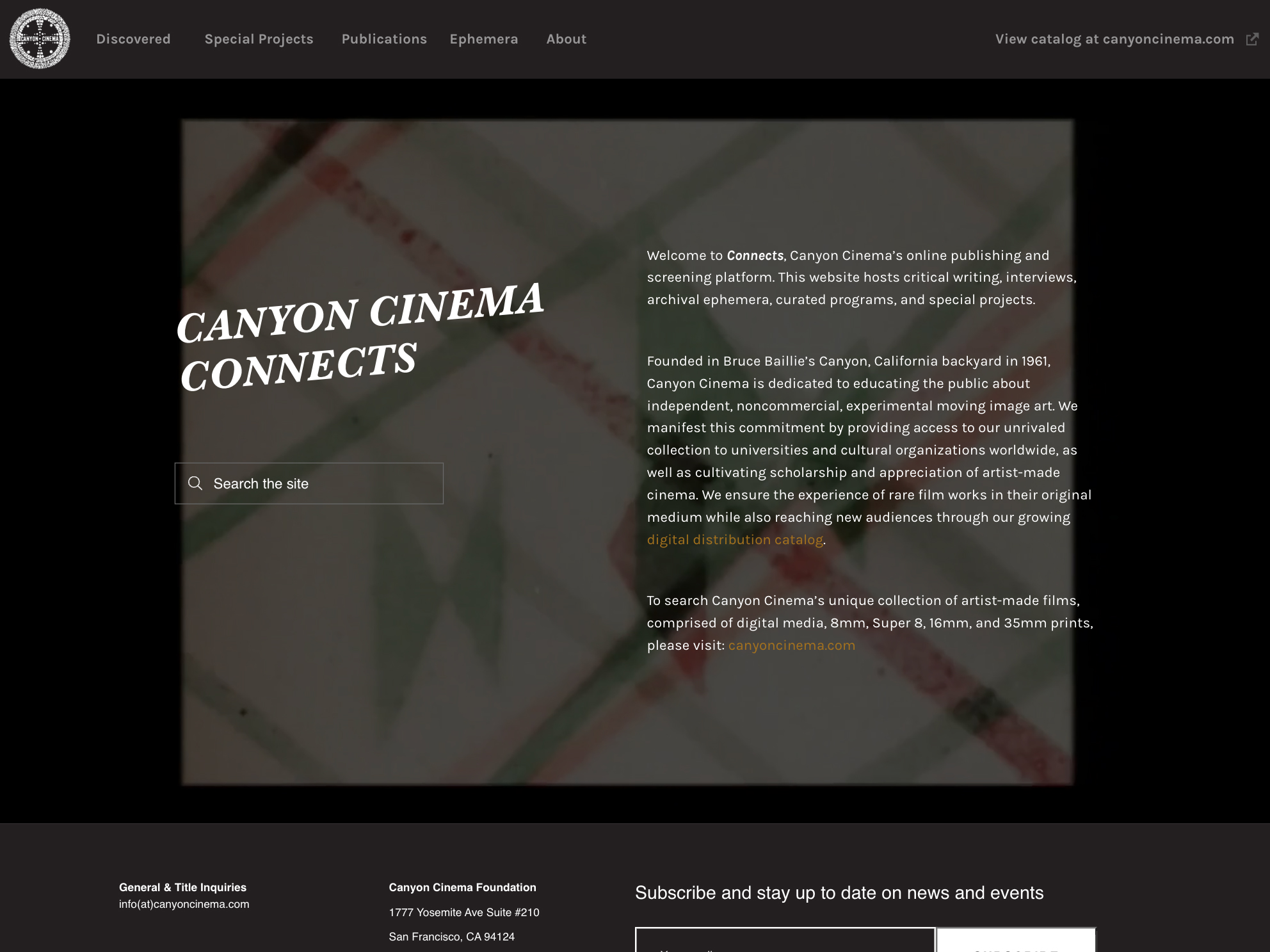
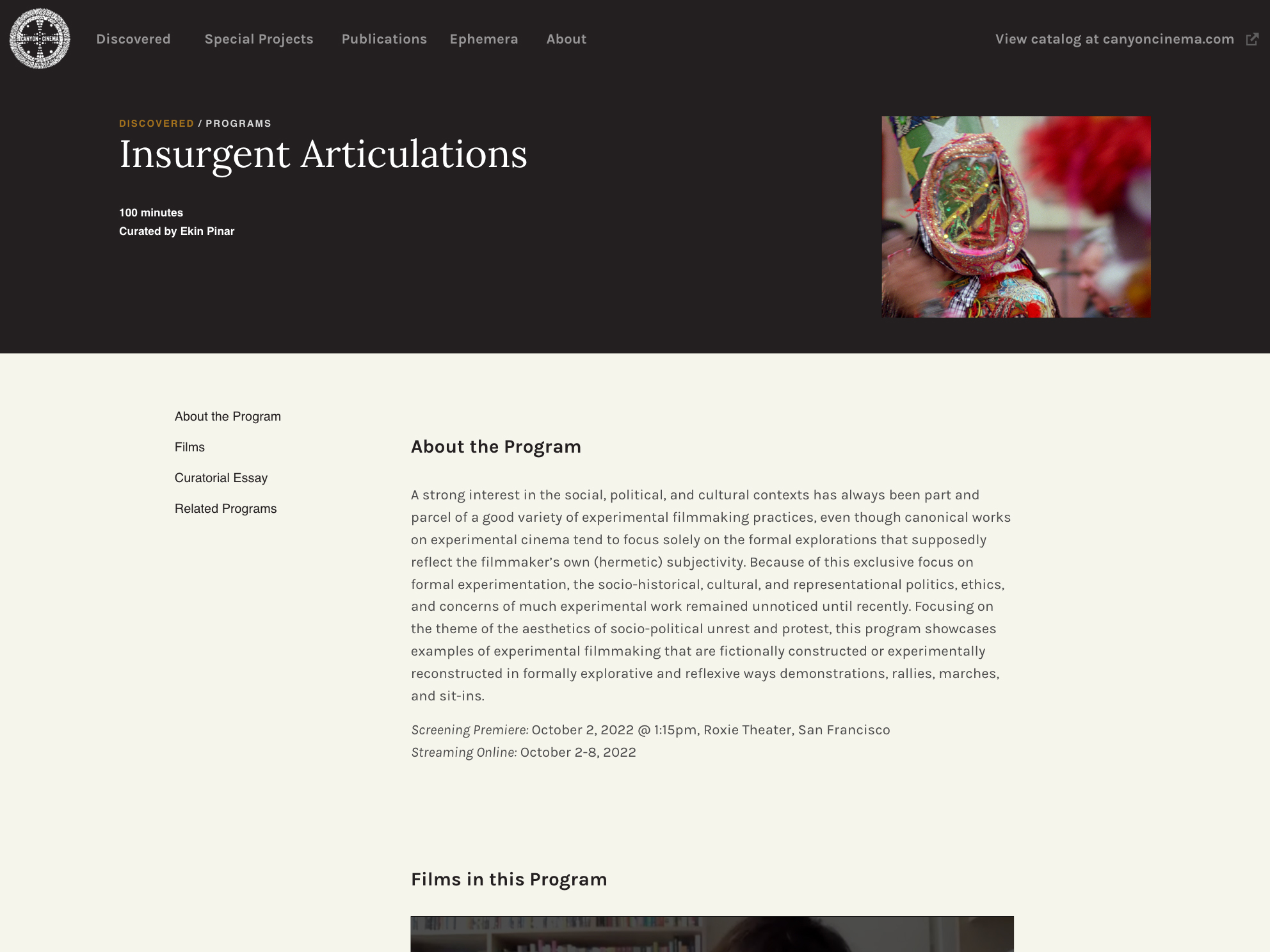
Based in San Francisco, California, Canyon Cinema distributes independent, avant-garde, and artist-made films. In 2022 we developed Canyon Cinema Connects, a platform allowing them to present curatorial programs online. We incorporated our custom integration for the CineSend secure video streaming service.
Website Redesign and Re-platforming for A Space Gallery
A Space Gallery is an artist-run center in Toronto, Ontario. In 2021/22, we helped them launch their new brand through a website redesign. We addressed critical vulnerabilities in their website backend infrastructure by re-platforming it to WordPress.


Rubin Museum of Art (2021/22)
The Rubin Museum of Art in New York stimulates learning, promotes understanding, and inspires personal connections to the ideas, cultures, and art of Himalayan regions. In 2022 we provided digital consulting services to advance the Museum’s digital transformation. We conducted visitor journey mapping workshops with facilitator Allegra Burnette, led the selection of a Constituent Relationship Management solution with consultant Karen Bush, and performed a website visitor motivation analysis with the Center for Digital Experiences at Pratt Institute.


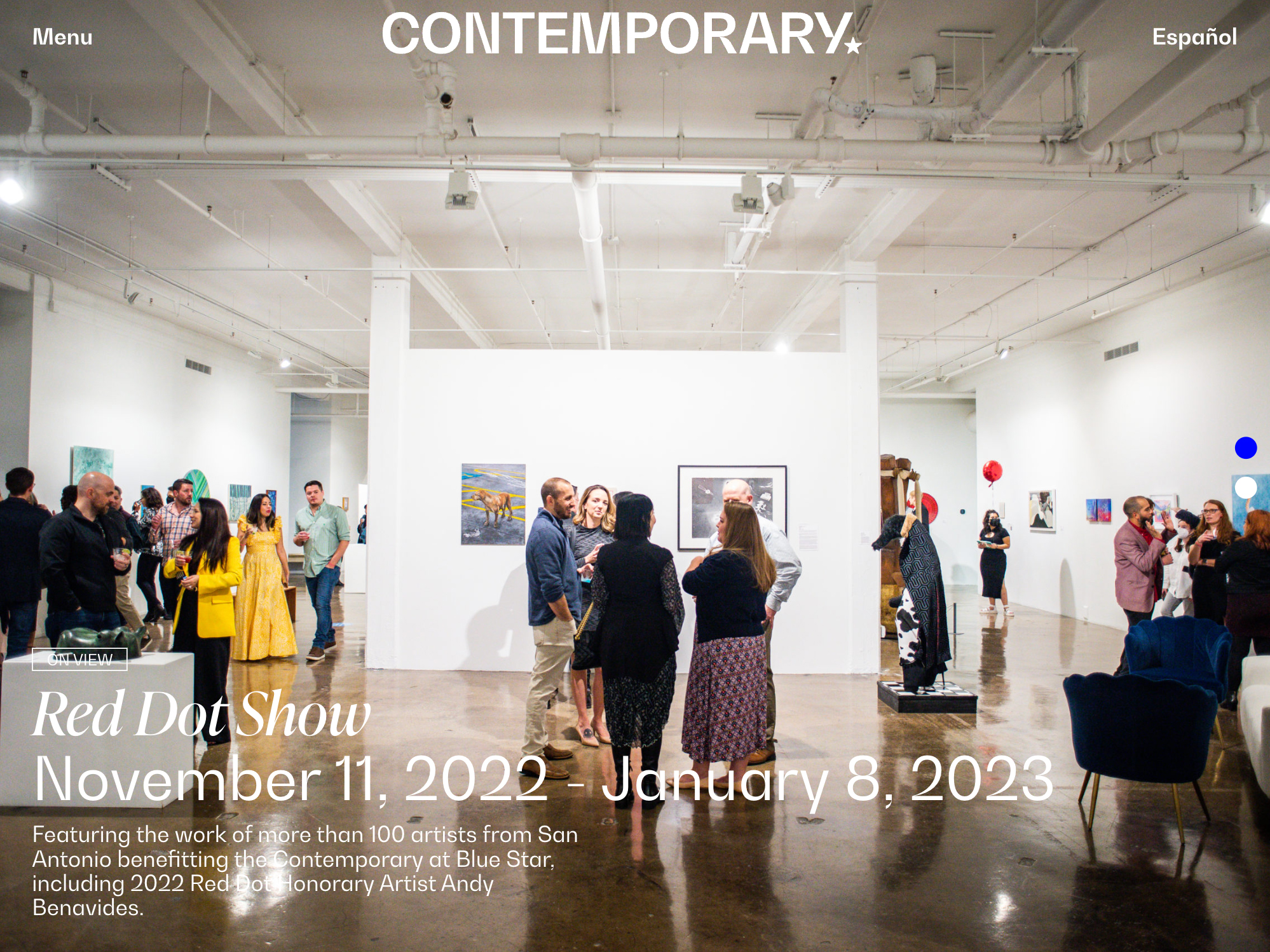
Website Redesign for The Contemporary at Blue Star
The Contemporary at Blue Star is the first and longest-running nonprofit space for contemporary art in San Antonio, Texas. In 2022, The Contemporary went through a years-long rebranding and worked with Spellerberg Associates to rethink its web presence. The final product was a newly designed and structured website that complemented the organization’s new name, brand, and visual identity. We partnered with Hour Studio for the design.

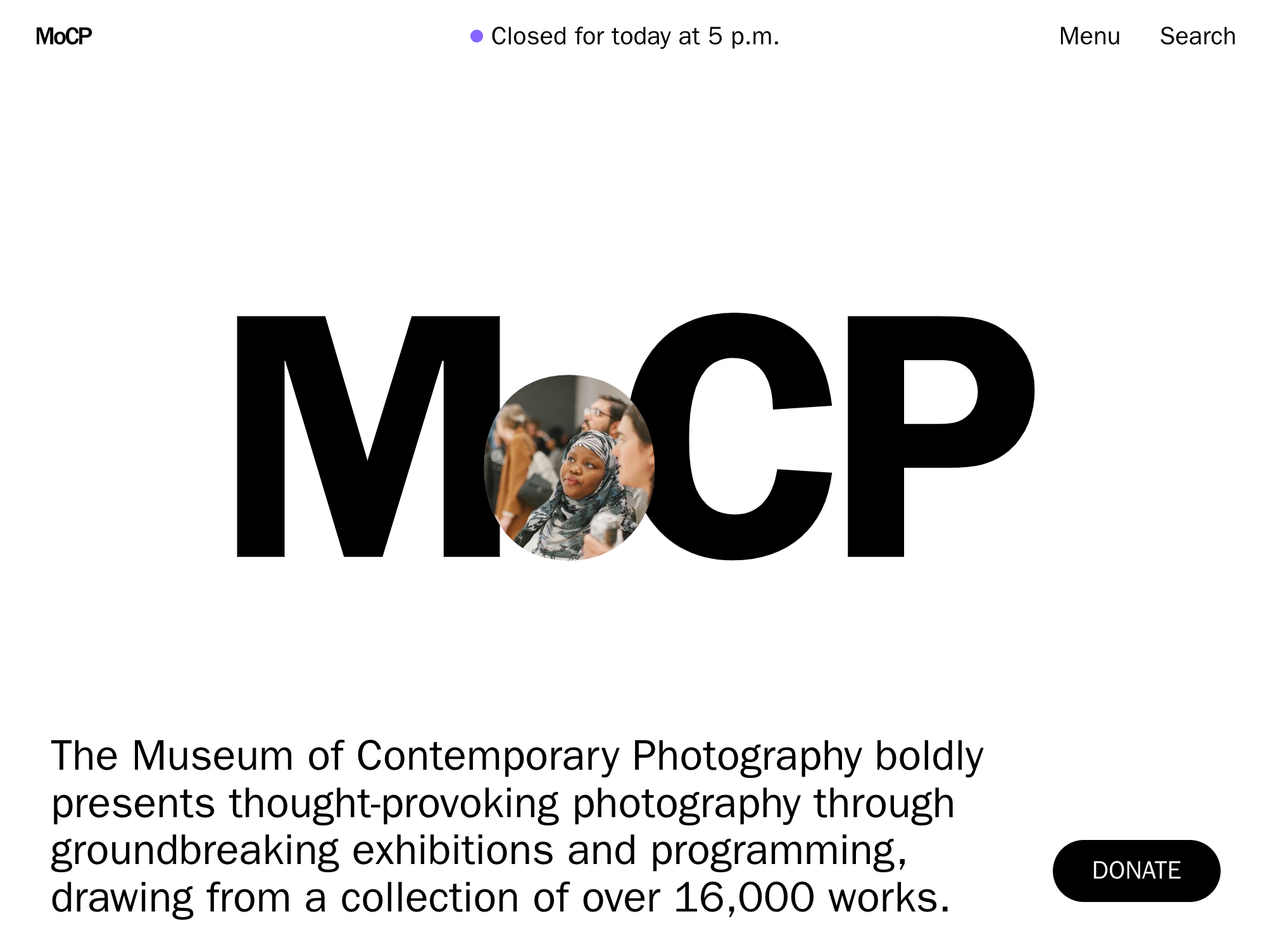
Comprehensive Digital Strategy: Redesigning the Museum of Contemporary Photography
The Museum of Contemporary Photography at Columbia College Chicago presents thought-provoking photography through groundbreaking exhibitions and programming, drawing from a collection of over 16,000 works. In 2021/22, we provided a range of digital consulting services to support its current needs and plans for expansion. We evaluated new collection management systems and collaborated with the Center for Digital Experiences at Pratt Institute on a website visitation analysis. We led the Museum through a complete website redesign, and developed the new site on WordPress. We partnered with Hour Studio for the design.

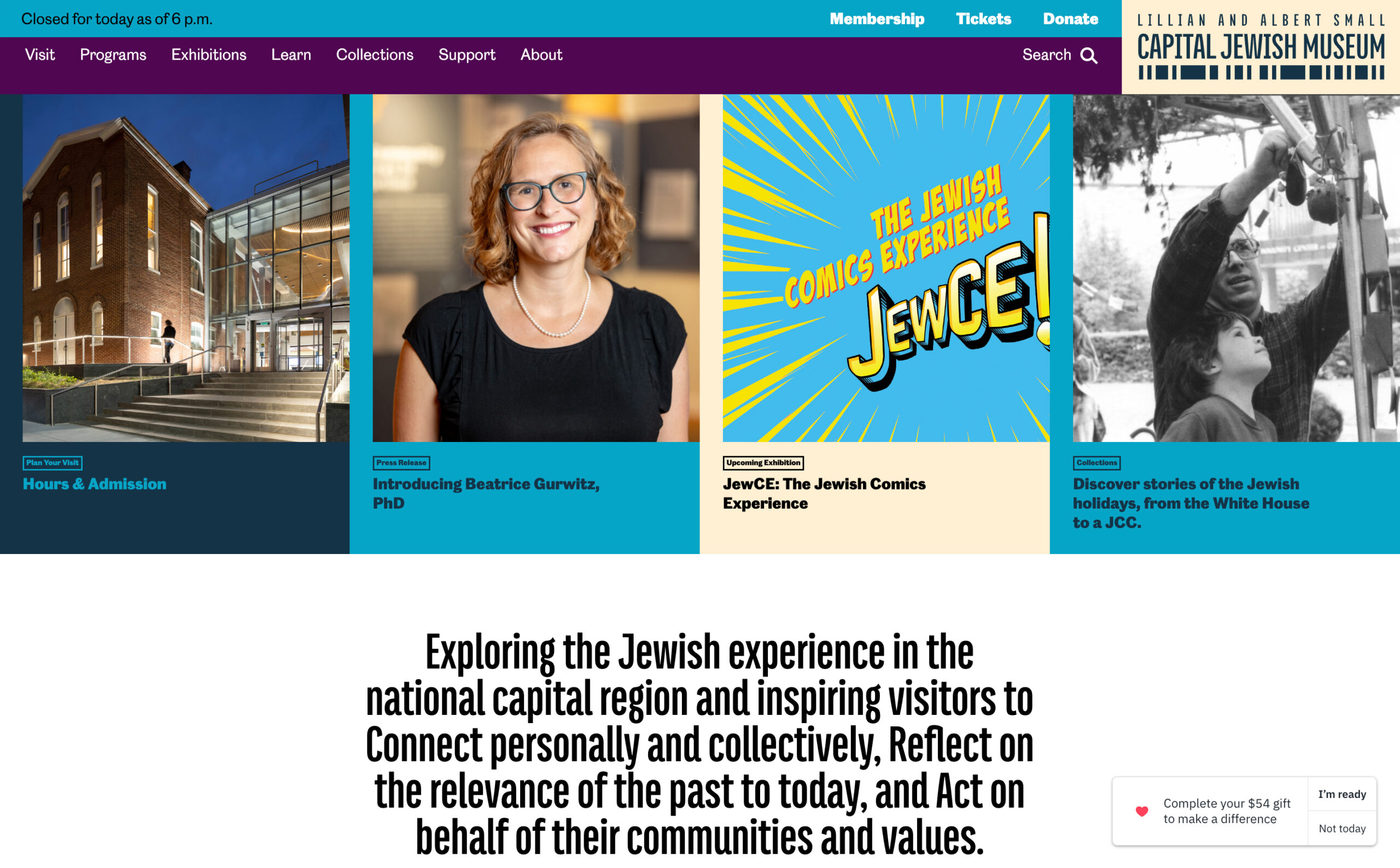
Delivering on a Deadline: The Lillian and Albert Small Capital Jewish Museum Website
The Lillian and Albert Small Capital Jewish Museum, a new institution in Washington, D.C., opened in June 2023 and needed a redesigned website to support its launch. Spellerberg Associates was the project lead and provided content strategy, WordPress, and front-end development; Once-Future Office provided design.
Challenge
The Museum sought to create a visually appealing, user-friendly website to support its mission through visitation and fundraising. The website needed to generate excitement within its community and buzz around the Museum’s launch in a city with no shortage of attractions. And it had to be delivered on a compressed timeline: The RFP process began in February 2023, targeting a Phase 1 launch by May 15, 2023.
Process
We divided the project into two phases to ensure timely delivery and iterative improvement based on user feedback. Phase 1, launched in May 2023, focused on creating a visually appealing and user-friendly website. It aimed to enhance visitor engagement and provide the Museum with a foundational online presence. Phase 2, released in January 2024, refined the website based on staff and user feedback. It focused on showcasing the Museum’s collections, making it a more comprehensive digital resource.
Results
The website is a comprehensive digital resource that effectively highlights the Museum’s collection and supports its mission. We balanced a tight timeline with the need for a dynamic and engaging digital presence. The phased approach allowed for timely delivery and iterative enhancements. We’ve continued to provide regular updates and support. The result is a website that supports the Capital Jewish Museum’s goals and provides a foundation for the institution’s growth.
Credits
Once-Future Office, design. For Spellerberg Associates: Marty Spellerberg, project lead and developer; Margaret Sternbergh, content strategist; Karen Bush, CRM consultant; Zack Rothauser, developer.
Bringing History to Life: Two Digital Projects for the California Migration Museum
The California Migration Museum preserves and shares the diverse stories of California’s immigrant communities. It serves as a platform for education, dialogue, and celebration and emphasizes the rich cultural diversity that shapes the state. In 2023/24, Spellerberg Associates collaborated with the Museum to design and develop two digital projects that advance this mission.

Migrant Footsteps: Immersive Audio Tour App
Migrant Footsteps hosts immersive audio walks and 360 videos, inviting users to the center of California’s migration stories. Accessible within the Museum’s app, each tour combines music, oral history, archival research, and augmented reality to take you on a multi-sensory walk through five San Francisco and Los Angeles neighborhoods. Tours are self-guided and free to download.
We developed the application for iOS and Android using Unity. We established a Prismic repository for content addition and configuration for each tour. After we created the first two tours and provided content management guidelines to the museum team, Museum staff could upload and edit all tours independently. We published the application on the Apple App and Google Play stores.
The result was an immersive walking tour experience that enriches visitor engagement with on-the-ground stories and offers Museum staff easy access to edit and modify the app in the future. The app saw 1,000 active sessions in the eight months since its launch, with users averaging 35 minutes within the app, which is about the length of the tours.
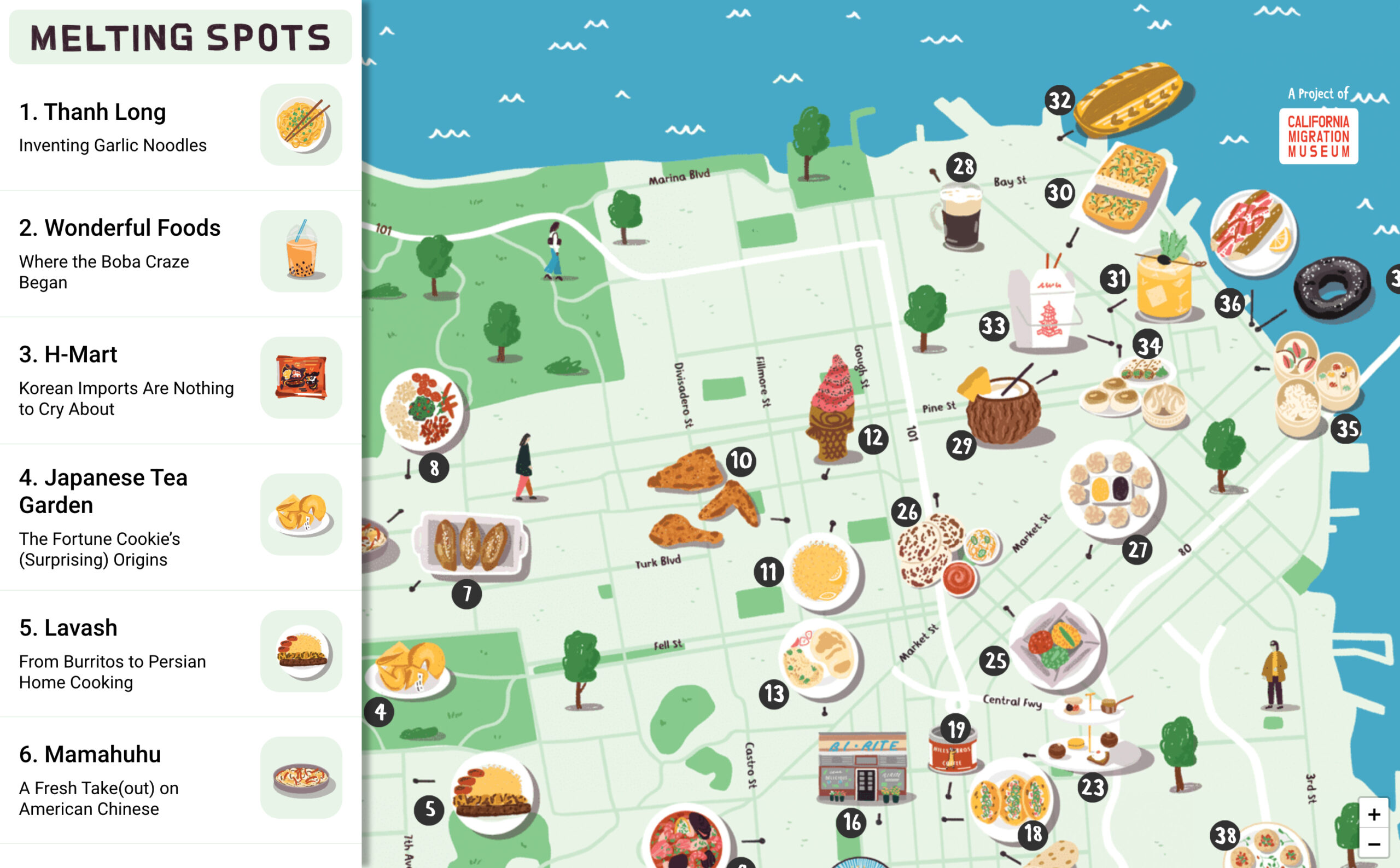
Melting Spots: Interactive Map of Immigrant Food
Melting Spots showcases San Francisco’s diverse immigrant food scene through an interactive food map. A paper version of the map drives visitors to the website, which features oral histories of notable dishes representing different immigrant communities, bringing the city’s culinary heritage to life.
The website needed to be mobile, desktop-friendly, and future-proofed to allow for updating content, and it should be able to live online in perpetuity with little maintenance. Our solution was to build the interface using React.js and Leaflet and the backend using Decap CMS. The application leverages custom hooks and state management to provide seamless navigation and a rich user experience across devices. We delivered the oral histories via YouTube video embeds to allow additional discoverability via that platform.
The interactive map was central to the “Melting Spots” campaign, which engaged over 55,000 people through the website and social media, with over 170,000 listens and views across all platforms. The Mueum’s user engagement data showed a broad reach, with 60% accessing from mobile devices and a strong focus on the 25-44 age group.
Collaboration & Results
Our process involved regular collaboration with the museum team. We created prototypes quickly and iterated consistently through beta versions for feedback throughout development. We used Airtable to track progress and manage feedback, including tracking bugs and feature requests. We also set up a GitHub organization for the Museum, with repositories for the project’s source code. This ensured full access and project ownership.
Our work with the California Migration Museum demonstrates how digital innovation enriches cultural experiences and makes history accessible. These projects invite users to explore California’s rich tapestry of immigrant narratives.
Credits
Alex Foster illustrated Melting Spots. For Spellerberg Associates: Marty Spellerberg was the interactive designer; Philip Ings developed the app, Trenisha Goslee developed the website, and Margaret Sternbergh was the project manager and interpretation specialist.
Building the Rubin Museum’s Global Vision Through Digital Strategy
The Rubin is a global museum dedicated to sharing Himalayan art with the world. It brings together diverse perspectives—from Buddhist practitioners to neuroscientists and contemporary artists—to offer insights into the art and its meaning in life today. Through three phases and as many years, Spellerberg Associates supported the Rubin as it closed its NYC building and transitioned to a global presence. This digital transformation included adopting a new CRM and launching a new website. Our work focused on pushing the Rubin’s content globally, building awareness, developing new audiences, and increasing relevance.
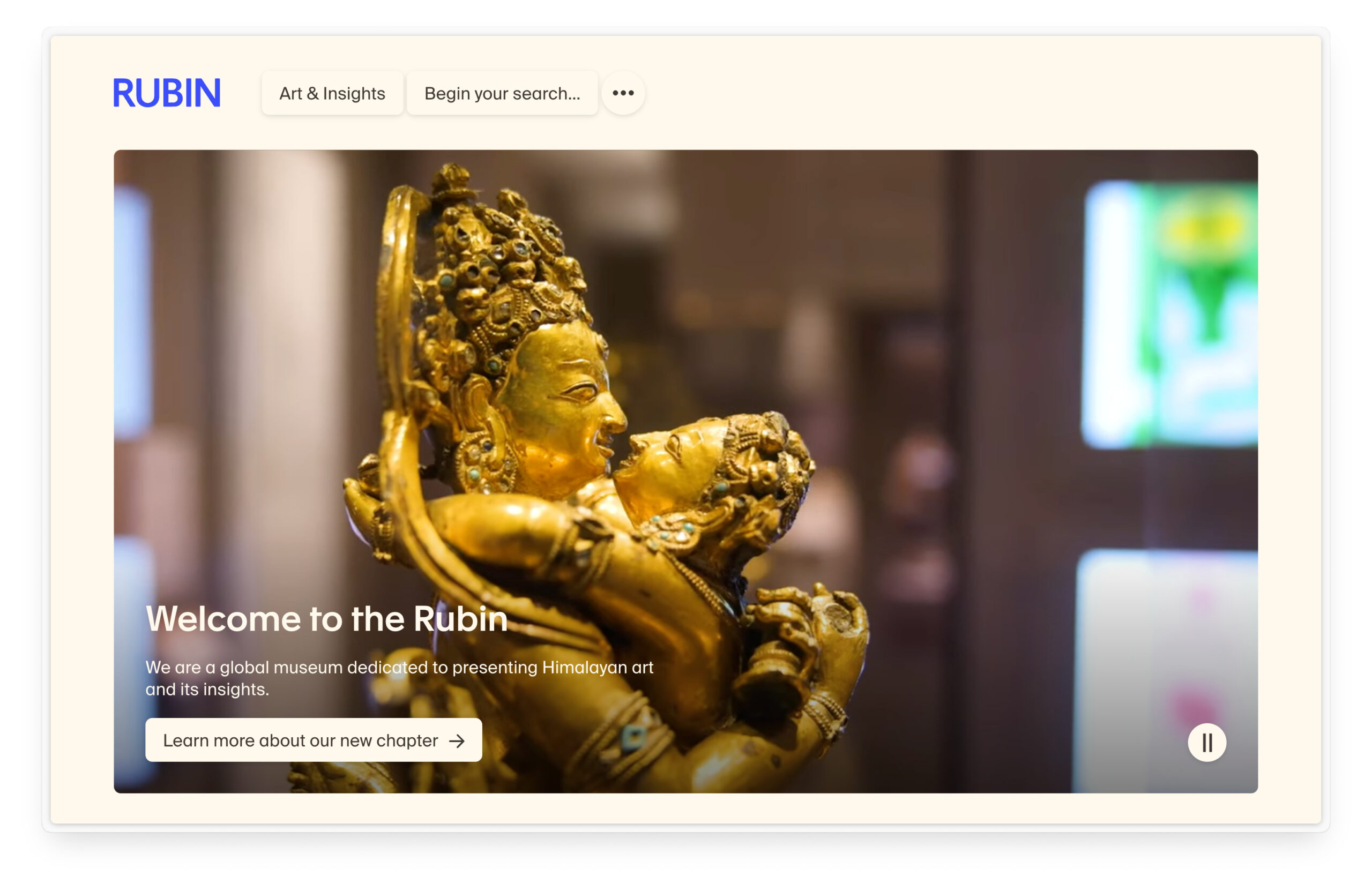
Phase 1: Project Architecture
The project’s initial phase was a research and discovery period to understand the Rubin’s current digital landscape and how best a new website and CRM would fit within it.
We designed and deployed a website visitor motivation survey to track website usage by visitor type and commissioned the Center for Digital Experiences at Pratt Institute to analyze the results. We also conducted a two-day onsite visitor journey mapping workshop, created a visitor journey map from the workshops, and developed visual representations of visitor segmentations.
At the same time, we conducted qualitative staff interviews and vendor assessments, which resulted in the selection of Salesforce for the CRM and CHIPS, an NYC-based design and development studio, for the website. We produced a two-year project plan and budget to guide the rest of the project.
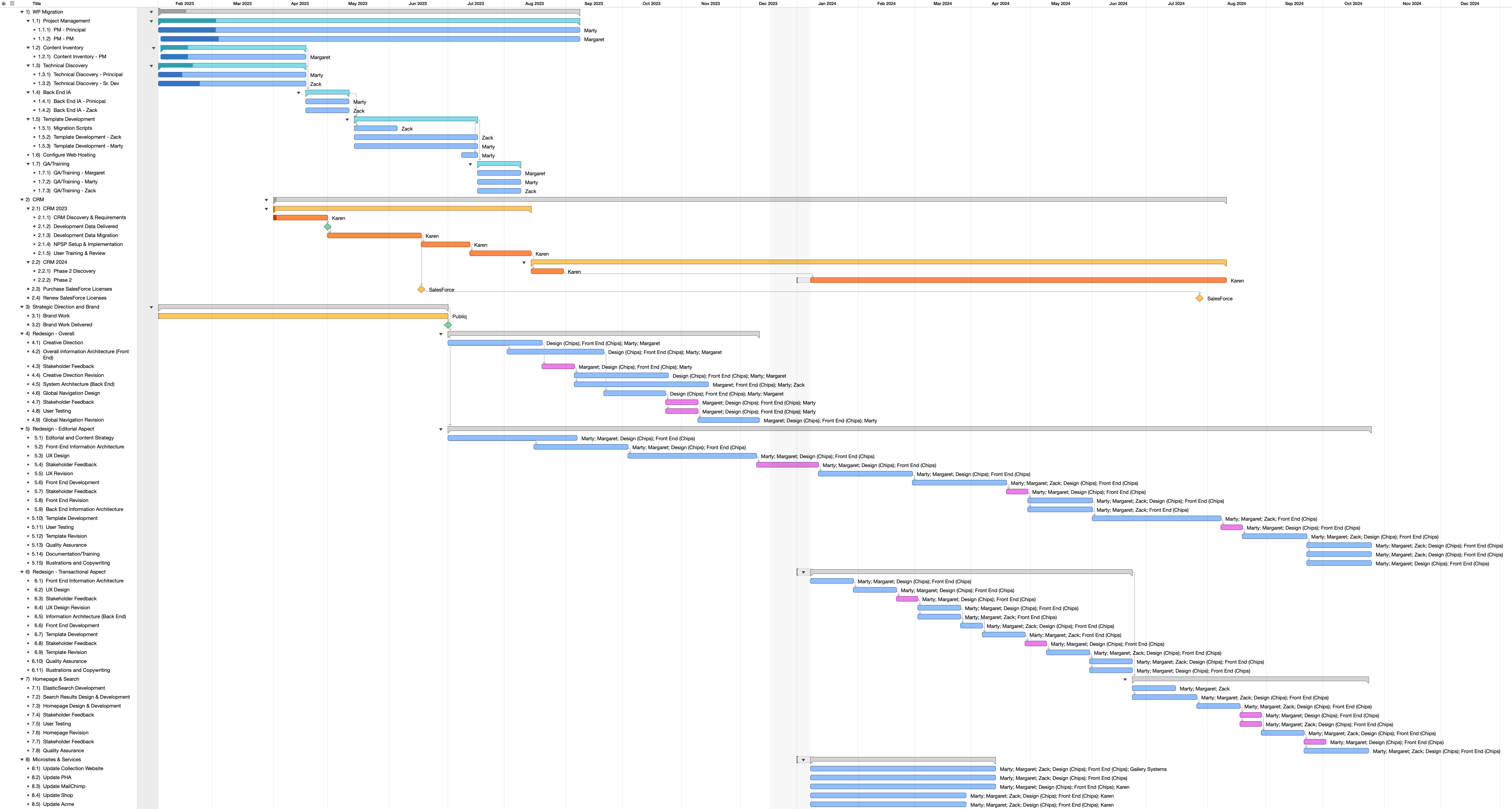
One of our first year deliverables was a plan for the next two years of website migration and redesign, and CRM implementation.
Phase 2: Laying the Foundation
In this phase, we migrated the Rubin’s website platform from ExpressionEngine to WordPress and CRM system from Raiser’s Edge to Salesforce, and trained staff in their use. By building internal capacity with these new platforms we empowered staff with improved tools and streamlined internal customer service using a single CRM. This front-loaded as much change as possible, to ease the strain of the eventual transition.
The website platform migration involved managing weekly meetings and tracking projects with OmniPlan, Asana, and GitHub. We compiled a content inventory, collaborated on technical discovery, made backend architecture decisions, developed a custom WordPress theme, and wrote migration scripts. We configured web hosting with WP Engine and AWS, performed quality assurance, fixed bugs, created documentation, and provided staff training before the website launch.
For the CRM platform migration, we documented Salesforce implementation requirements then migrated development data from Raiser’s Edge. This data included 100,000 individuals, 8,000 organizations, 65,000 gifts, and 250,000 actions. We set up Salesforce NPSP 3.0 and supported best practices for data input and admin skills. To support fundraising efforts, we implemented Salesforce integration and completed year-end data migration from Raiser’s Edge. We also supported communications activities by creating a contact input form, migrating marketing data, and setting up campaigns.
Phase 3: The Build Out
In the final phase, we worked in parallel with CHIPS, the design and development studio. While they designed and developed Rubin’s website, we focused on website concept testing, evaluating and implementing a transaction platform transition, and quality assurance. The website launched on time with minimal bugs.
To support the design team’s work, we conducted three formative evaluations to gather feedback from groups not involved in the design process. Small focus groups with curatorial and development staff previewed designs and user experience. An email survey to the Museum’s e-newsletter subscribers helped prioritize search terms, resulting in a hierarchy of interest and segmentation by visitor motivation. Onsite website usability testing helped confirm the user experience for the website’s innovative “Begin Your Search” feature.
Part of the migration to a new CRM required the Rubin to add transaction middleware for tickets, registration, donations, and memberships. We developed a scorecard of the institution’s needs and then identified and interviewed potential vendors. After the vendor was selected, we configured Salesforce and GiveLively, integrated them with the website, and supported CRM adoption by the fundraising and communications teams.
In the final phases of the website launch, we supported a thorough and rigorous quality assurance process. We managed a thorough review of the website using an AirTable system to submit bugs and track content and technical issues. This support ensured clear communication of tasks for the website launch.
Results
We supported the Rubin Museum of Himalayan Art’s digital transformation as it transitioned to a global museum. Our work in digital strategy, project management, and integrating digital thinking throughout the organization enabled the Museum to close its physical doors and reopen as a robust digital platform. This transformation helped Rubin become a unique digital destination, embodying its vision of opening windows to people’s inner worlds and enhancing its reach in the global museum landscape. With a solid digital foundation, the Rubin is well-positioned to serve a worldwide audience and support future growth.
Credits
For Spellerberg Associates: Consulting by Marty Spellerberg, Margaret Sternbergh and Karen Bush. Workshop facilitation by Allegra Burnette. WordPress development by Zack Rothauser, Heather Sansone and Trenisha Goslee, with support from Jennifer Moore.
Classifying Emails with AI for Fun (and Non-Profit)
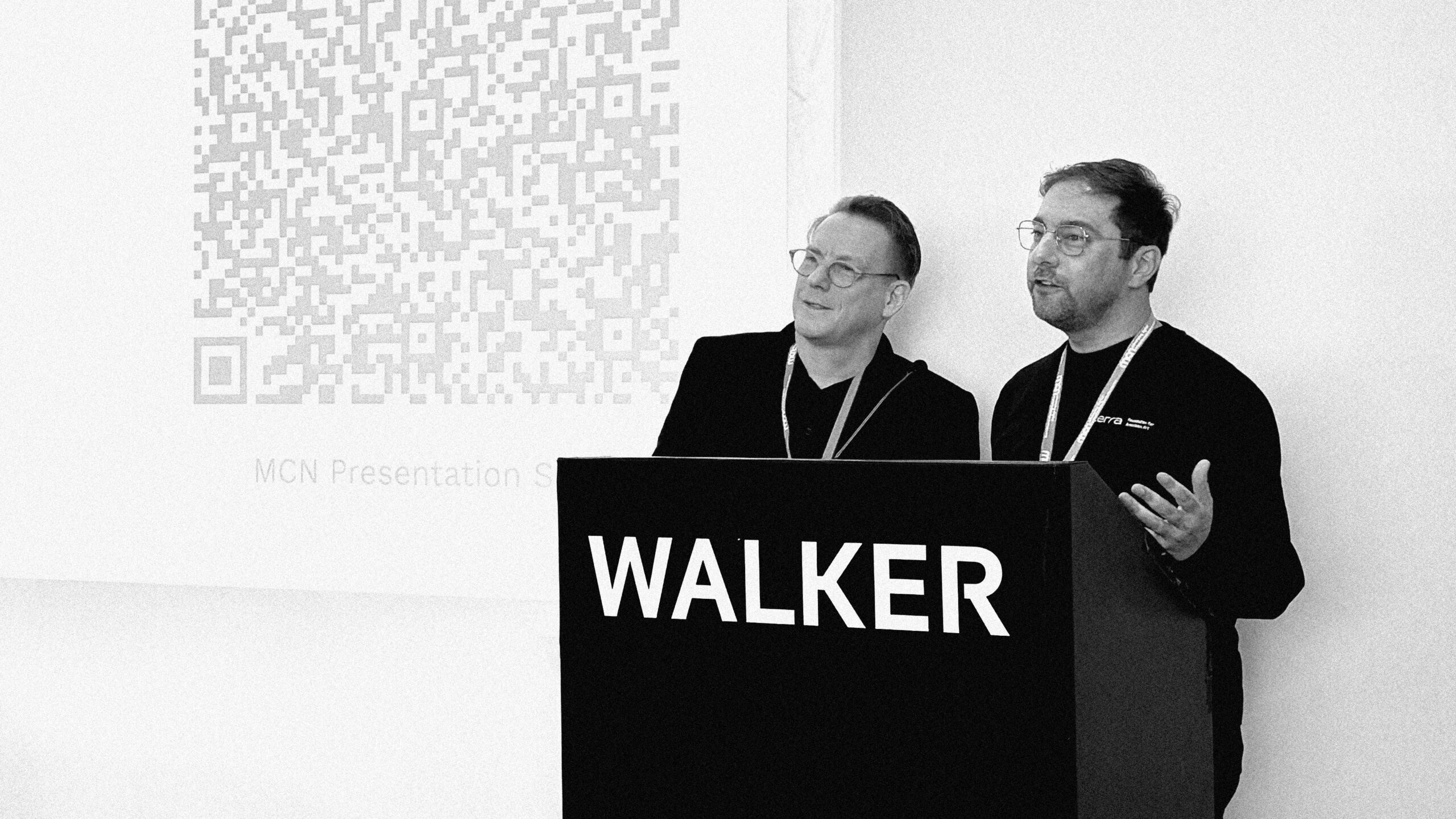
I presented at the MCN 2025 conference this year, alongside designer and technologist Knut Graf. Our talk focused on an AI system we developed that classifies incoming emails based on multiple criteria, including subject matter, visitor type, and urgency. This system helps route messages to the appropriate team members with the relevant expertise, ensuring fair and timely responses.
This project originated from discussions I had with museum leaders at the 2024 MCN conference last year. As museums work to serve diverse audiences, email communication remains a vital but often tedious touchpoint. Managing a catch-all inbox, even after inbox rules have been applied, is a time-consuming task that feels endless. In my role as a digital consultant for museums, I recognized an opportunity to collaborate with Knut Graf, given his background in conversational analytics. We approached this project as a research endeavor and are seeking museum partners to continue the work.
The mission of MCN, the Museum Computer Network, is to enhance the digital capacity of museum professionals by connecting them to ideas, information, opportunities, proven practices, and each other. The MCN 2025 conference will be held at the Walker Art Center from October 20 to 22, 2025, bringing together cultural heritage professionals from museums and historic sites across North America and beyond.
What follows is an introduction to our project, written by Knut. For more details, including technical information on training the custom LLM, please visit the Graf Systems website.
—Marty
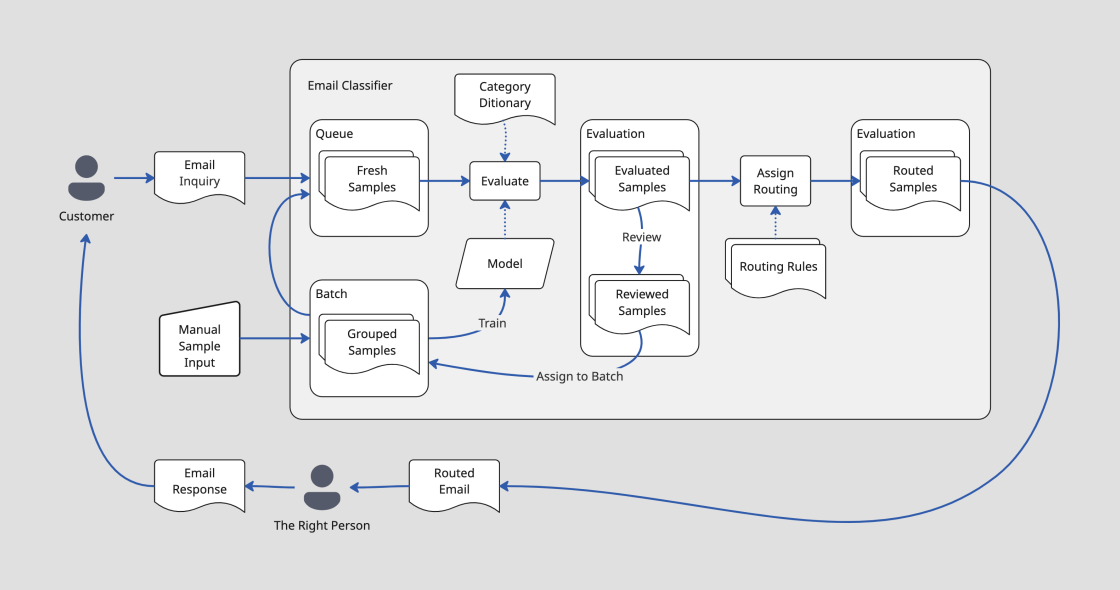
The Email Classifier Solution Prototype
A work-in-progress machine learning project that classifies emails being sent to a museum, identifying topics, visitor segments and urgency, as criteria to provide internal routing to the right people to respond.
The project presents a user-facing utility app that, in the “crawl” version, allows experimentation with samples and models, running inference, checking and correcting results, and management of sample batches. The utility app interfaces with the inference pipeline, which does the actual classifying of samples by a model.
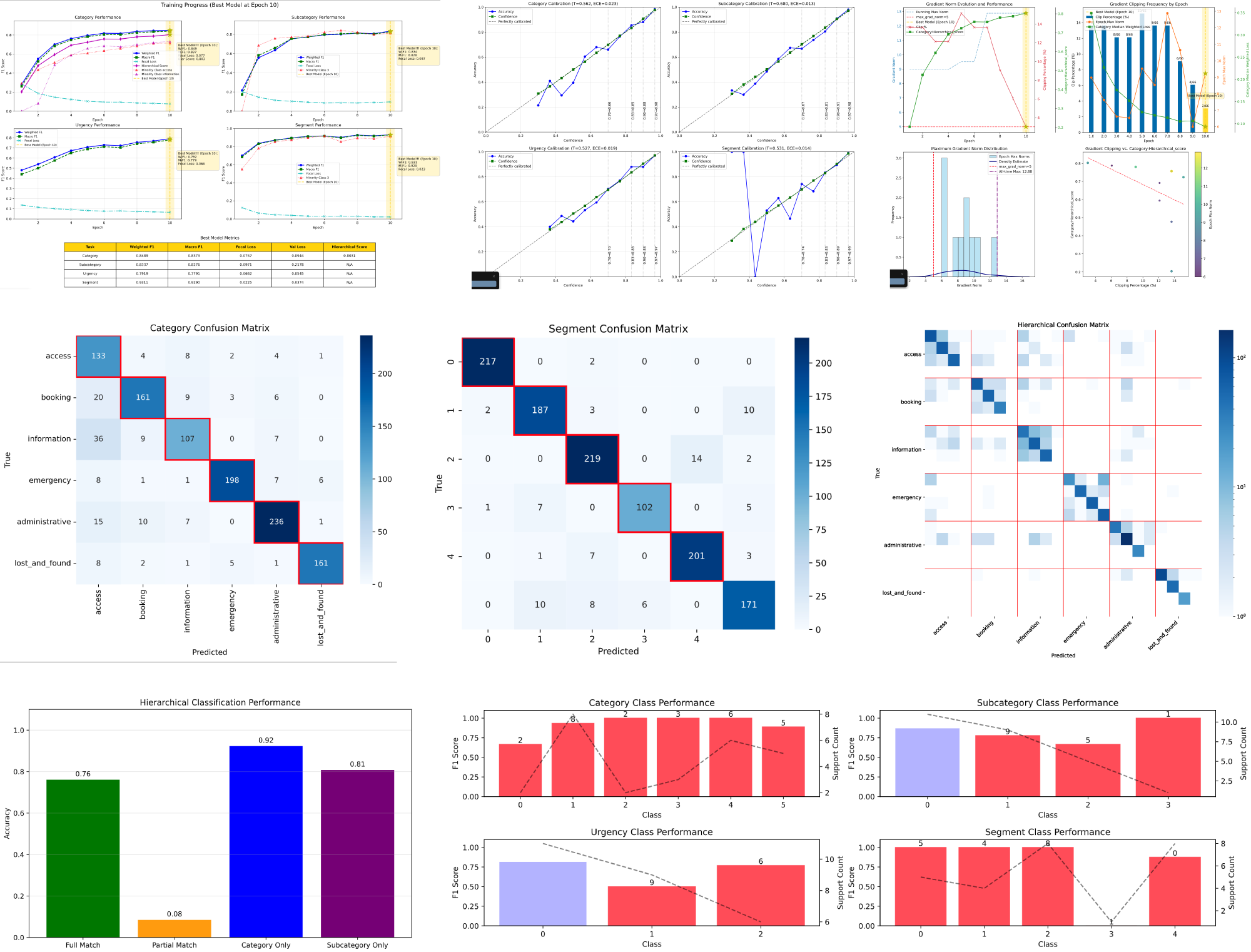
Behind the scenes, a training pipeline is a command line tool to do model training runs, using json files for parameters and visualizations to show training outcomes and model performance, to allow parameter optimization.
I am building this on the DistilBERT transformer (a relatively small model that can run locally) in Python with PyTorch. The user-facing front end prototype is a python app using SQLite, Vite, React and Ant Design with a token-based design system. I use Cursor, Claude, Claude Code and other LLM tools to build, and to generate training data.
The project complexity is well beyond “vibe coding scale”. I follow a “one-person product organization” approach, relying on documentation-driven process, step-by-step implementation and testing: (paper-) notebook sketches drive PRDs that flow into design documents, architecture documents, plans, and then prompts, for tests and for code.
Front End and UX Design Process
For the front end, I chose React (as opposed to something more modern) since LLMs are well-trained on it. This was helpful both for prototyping screens and for the actual implementation. Ant Design is a great design system to use because it has robust enterprise grade features, such as flexible tables, built in, which can otherwise be hard to deal with. Ant Design also offers a sophisticated design token system to keep CSS clean and simple.
To design the UX, I bypassed sketching in Figma. After doing paper sketches and taking notes, I iterated on a PRD document and on a feature-by-feature UX specification supported by sample .json data files. These documents informed a series of prototypes in Cursor. A prototype then served as a reference for implementation. The implementation always gets refined too: nothing like running code to experience and optimize flow. Eventually it is good.
I also explored doing actual sketches with Figma’s First Draft feature and with Google Stitch, but did not like being stuck with dead-end drawings. These tools also had a harder time creating results with appropriate amount of detail and structure. Figma Make could have been another option, but I just stuck with my default tools to get the job done.
—Knut
