Splatting Notes 5: Spatial Foveation, Maybe?
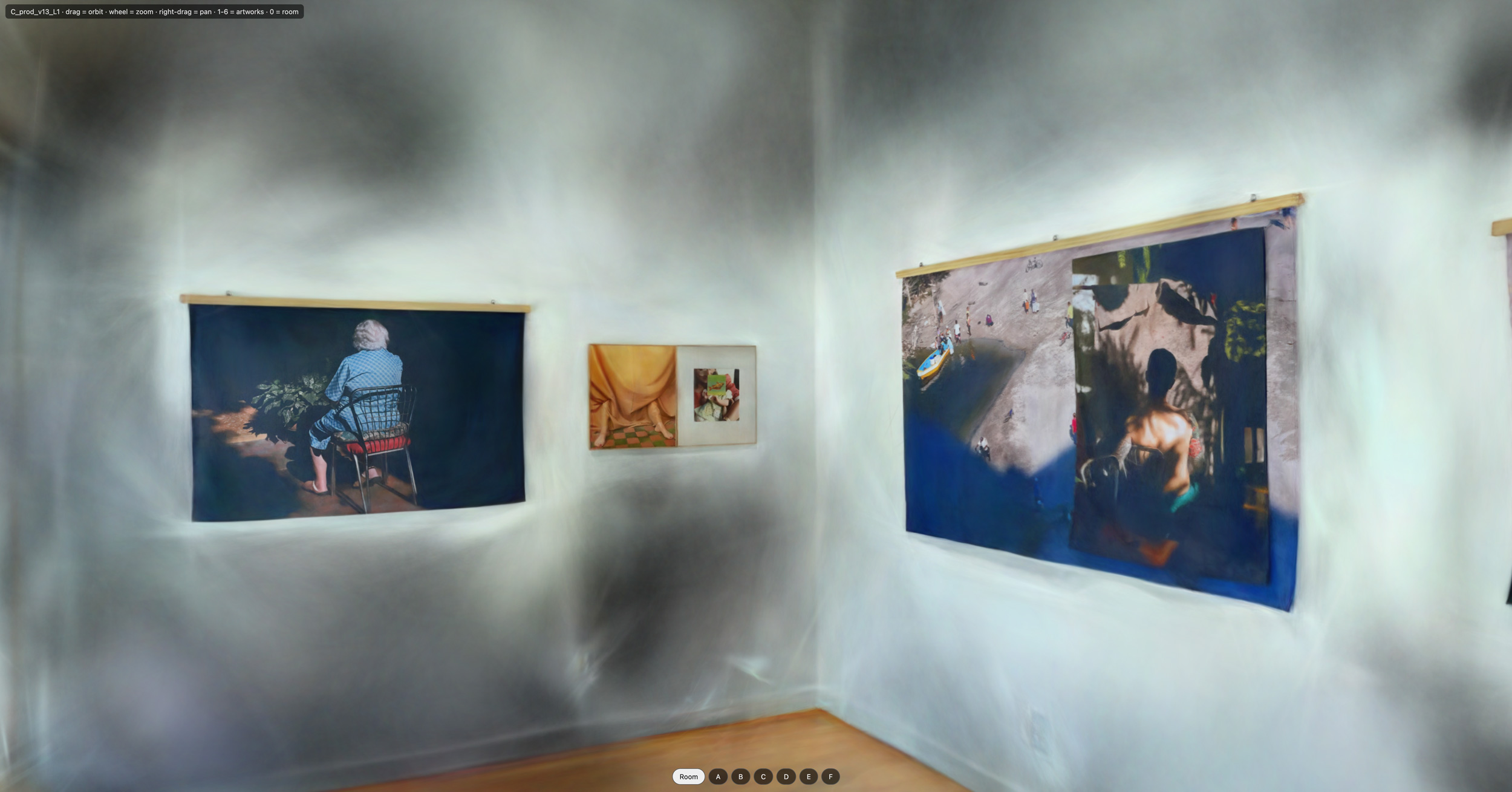
Gaussian Splat scenes are built through a training run, where splats are placed and optimized to produce results that match sets of reference images. I describe splats as 3D pixels, and liken the training process to growing crystals. Training typically consists of 30k steps, with the front half focused on placing the splats, and the back half on refining them. Read more
Splatting Notes 4: The Ghost Room
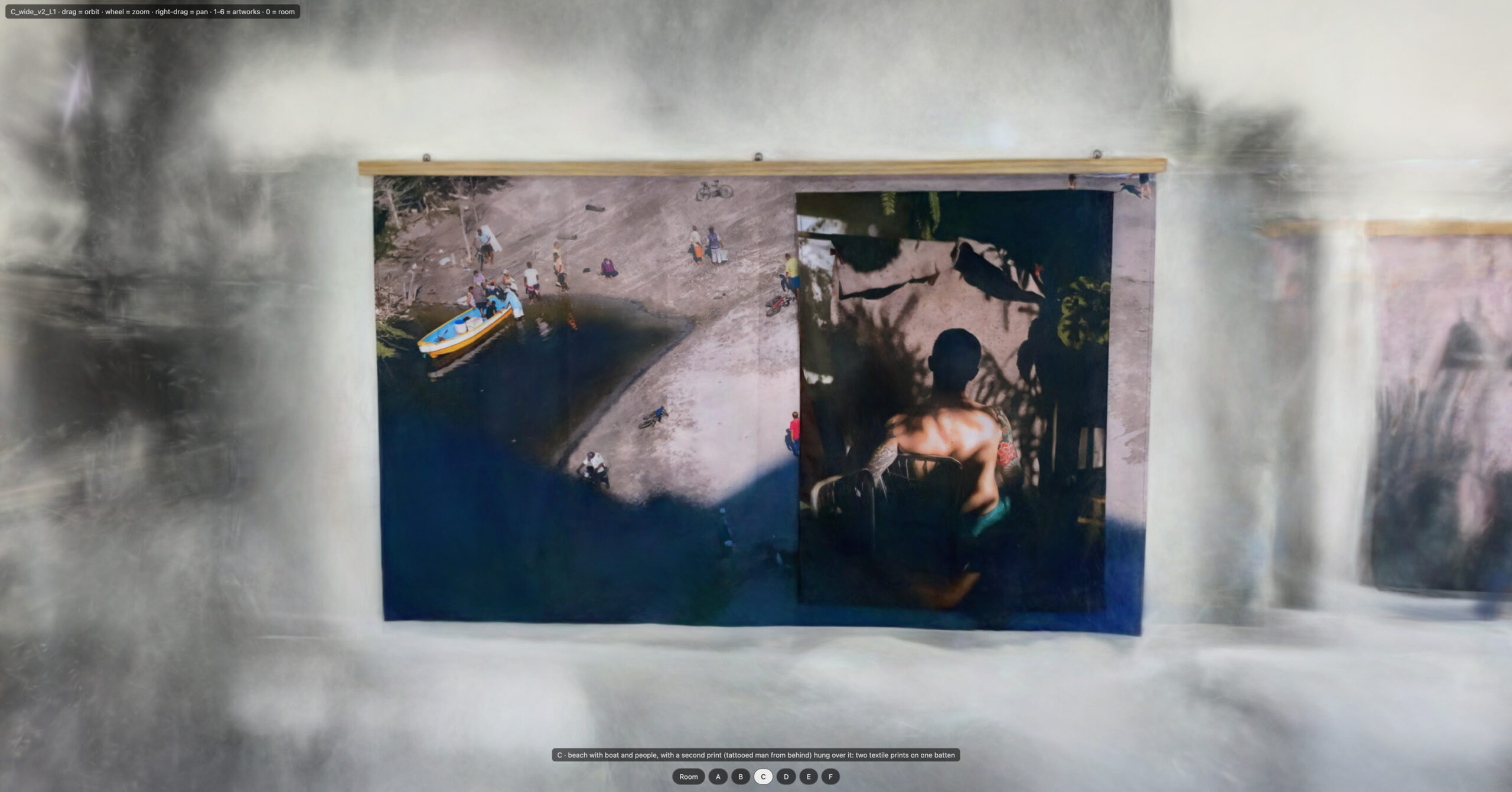
My dataset for Cristina Velásquez’s exhibition consists of several photo captures and one LiDAR capture (see previous post). There’s a lot going on with combining them, and I’ll go into it in more depth in later posts. But I wanted to highlight one visually distinctive thing that happened early in the process. Read more
Splatting Notes 3: Capturing An Exhibition Using iPhone
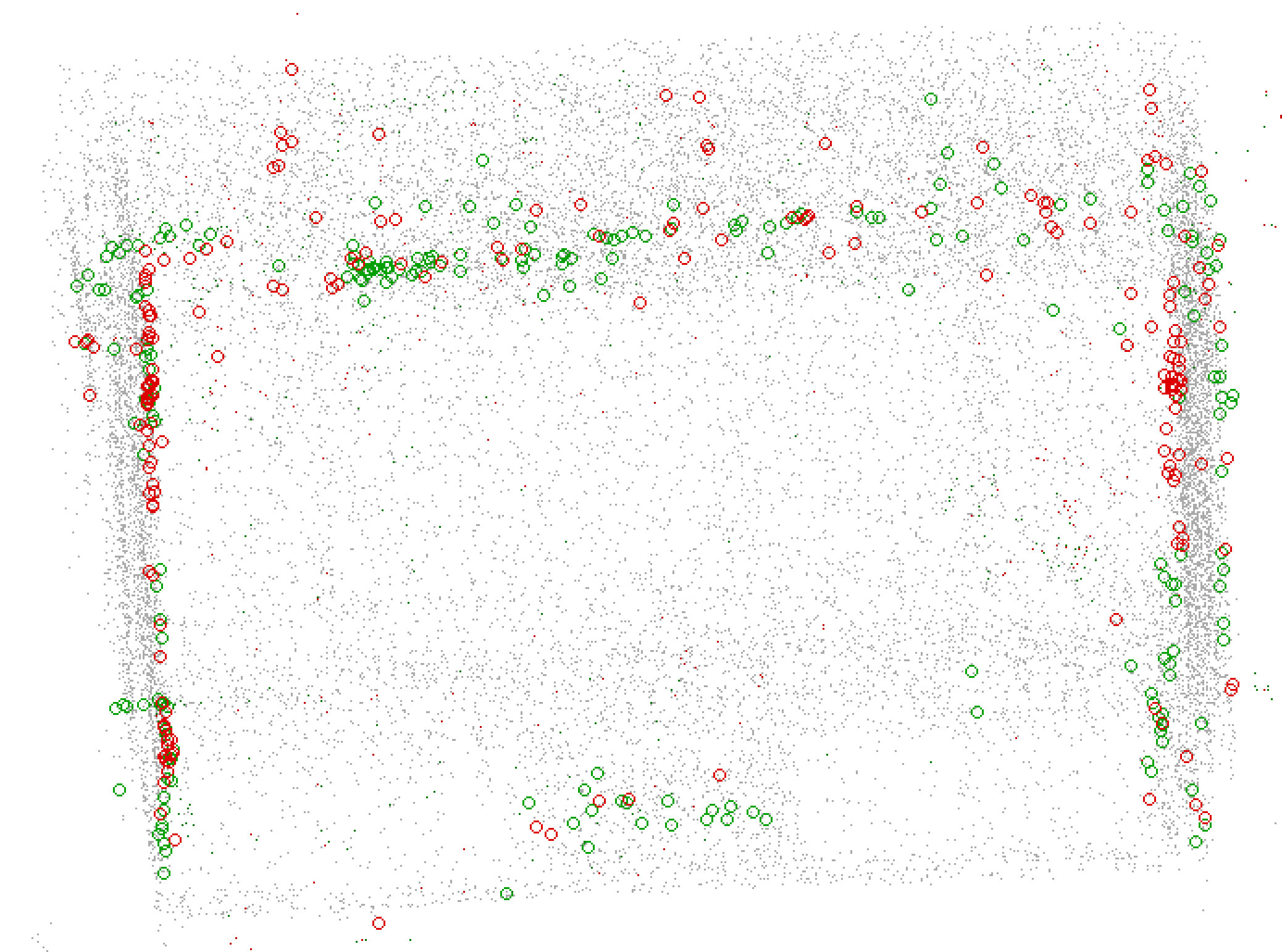
Cristina Velásquez is a Colombia-born artist currently based in Austin. Her Soportes exhibition at Spellerberg Projects dealt with themes of family and the multiple meanings of support (my words). Formally, it presented a perfect test for us because it consisted of six discreet wall pieces, photographs on textile or paper, presented without glass, which causes reflections. Read more
Splatting Notes 2: Requisitioning Surplus
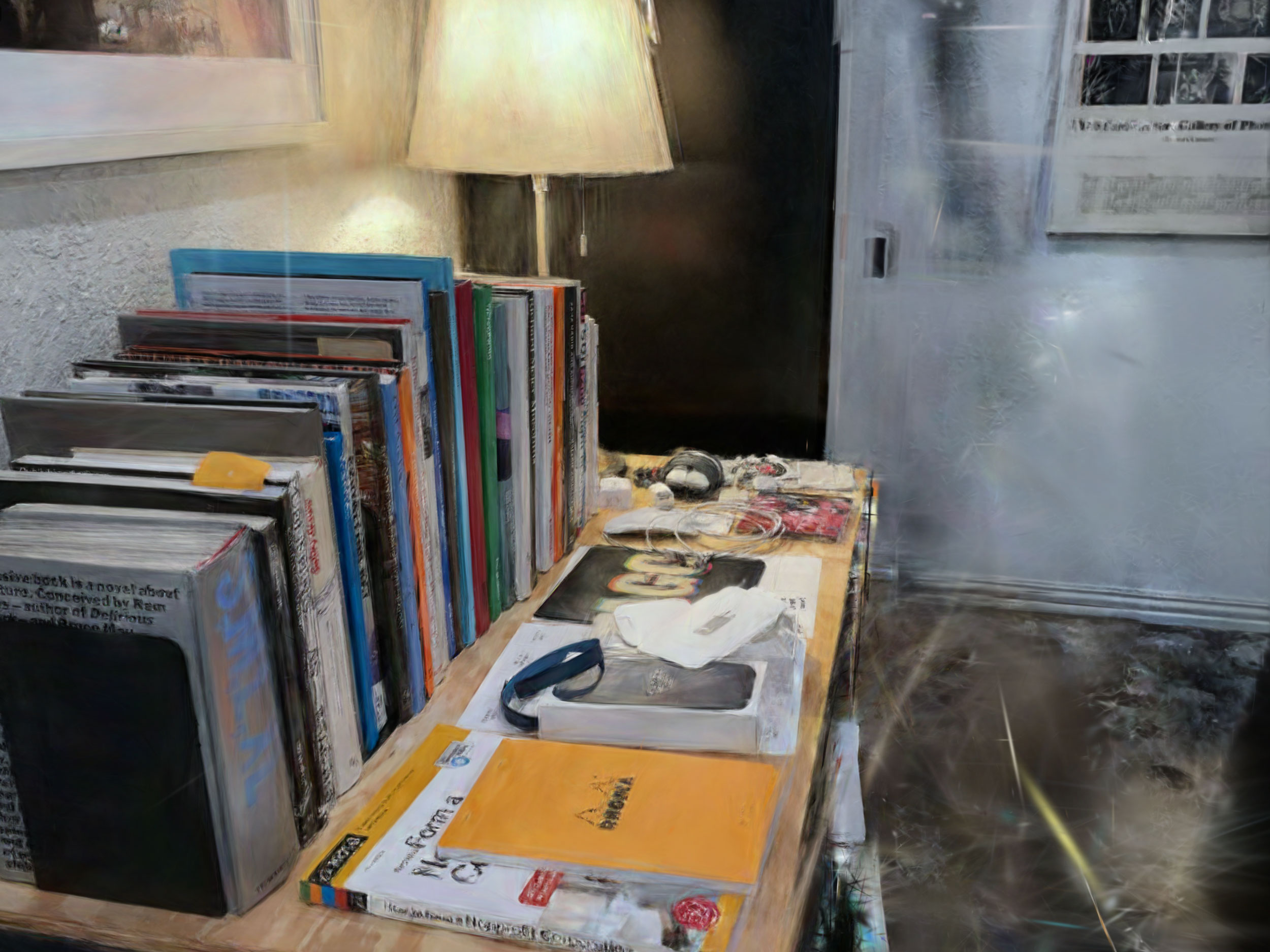
My setup for this is all old gear + Claude. For the capture, I bought a refurbished iPhone 12 Pro. I chose it because this is the first model with a LiDAR sensor. I use the app SplatKing, which captures both still images and LiDAR. Read more
Splatting Notes 1: How It Started
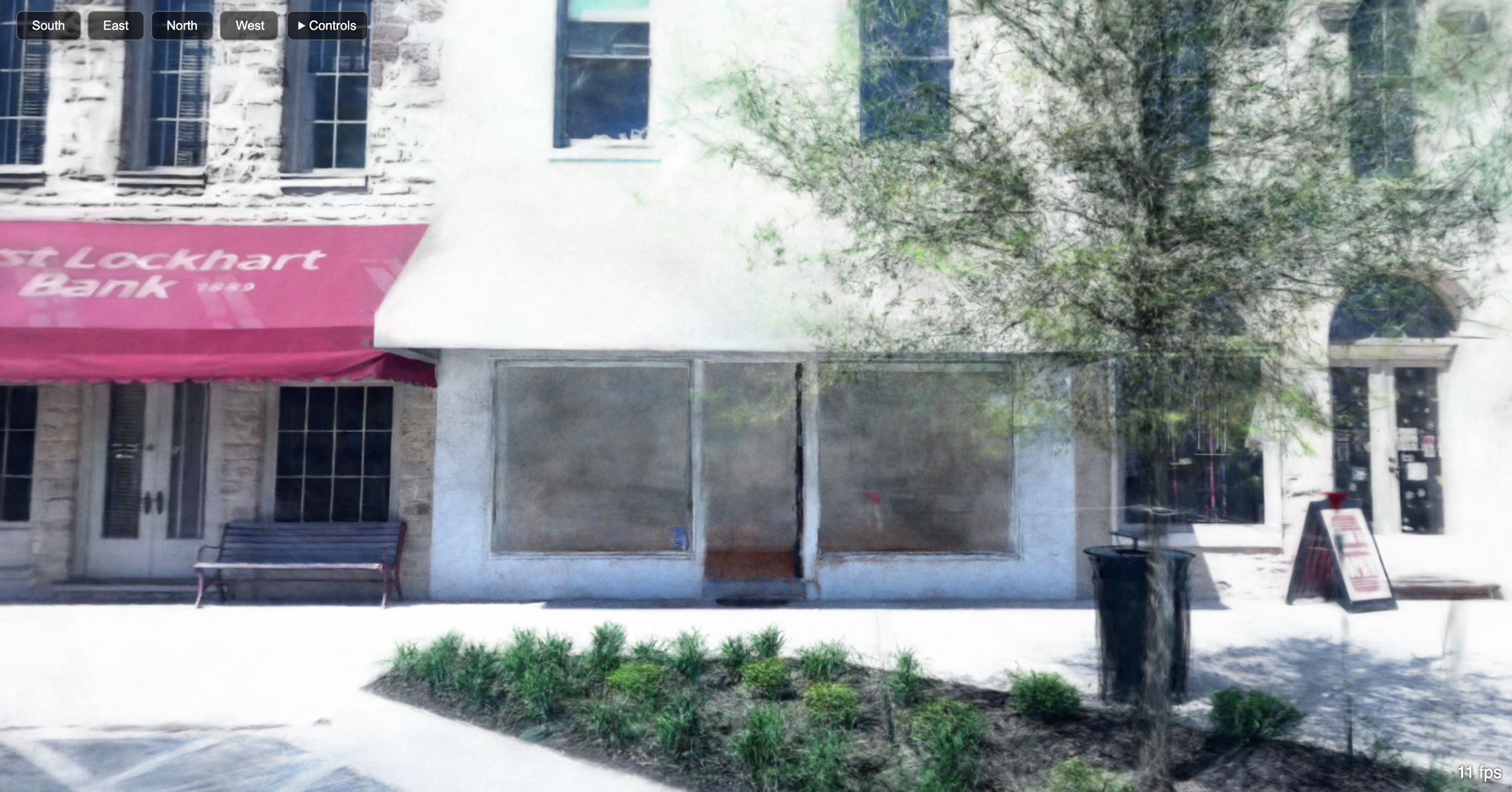
Gaussian Splats are great! I first heard of them in winter 2025, when Apple released a model for turning flat images into 3D scenes. I made a few and used the app MetalSplatter to view them on my Vision Pro. Read more
Helping Inspired Minds Art Center Sharpen Its Focus
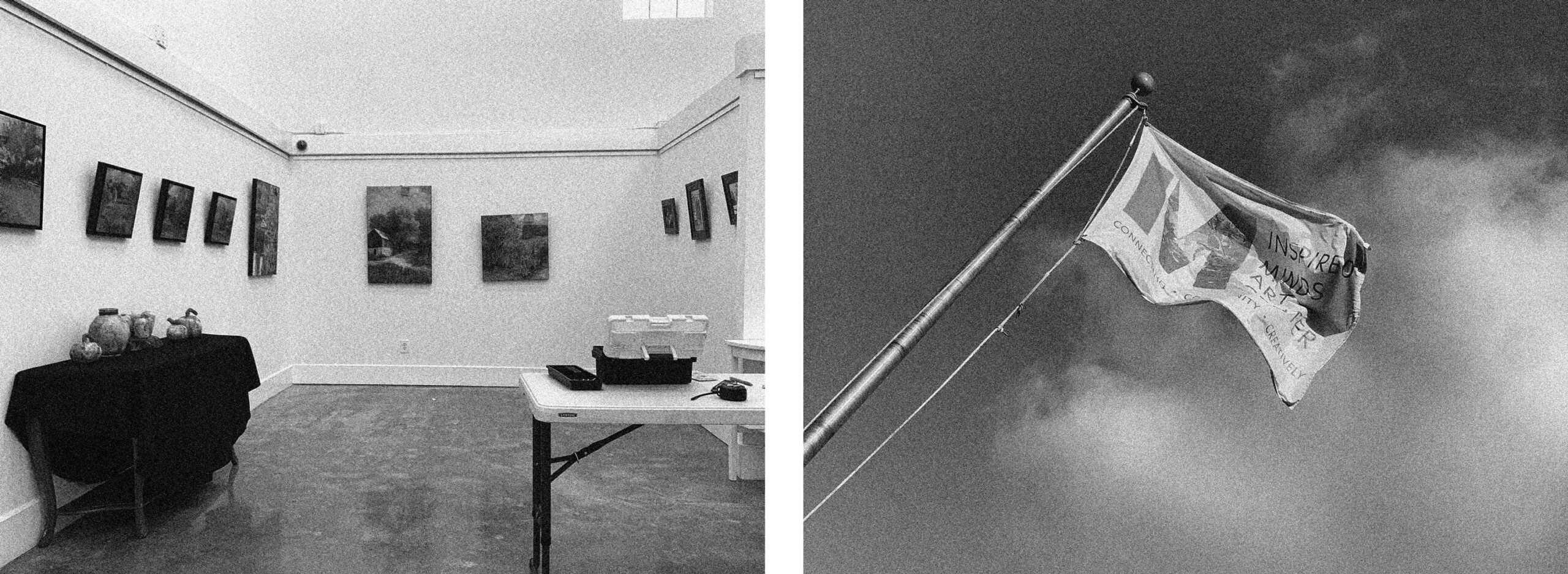
Inspired Minds Art Center operates thirteen different business lines. Two of these, multi-week courses and camps, account for 65% of the center’s net income. The remaining eleven emerged organically as the founders responded to community interest, instructor availability, and the creative possibilities of their 5,500-square-foot facility. Read more
Developing the Terra Foundation’s Grants Database in WordPress

The Terra Foundation for American Art had an outdated public grants database with limited user functionality. To provide complete and accurate information about past grants awarded and to assist grantseekers in preparing their applications, we developed a new database that effectively manages grants and their primary and secondary grantee organizations. This new system includes advanced filtering and sorting capabilities. Read more
Teaching Designers to Take Control with “Design In Browser”
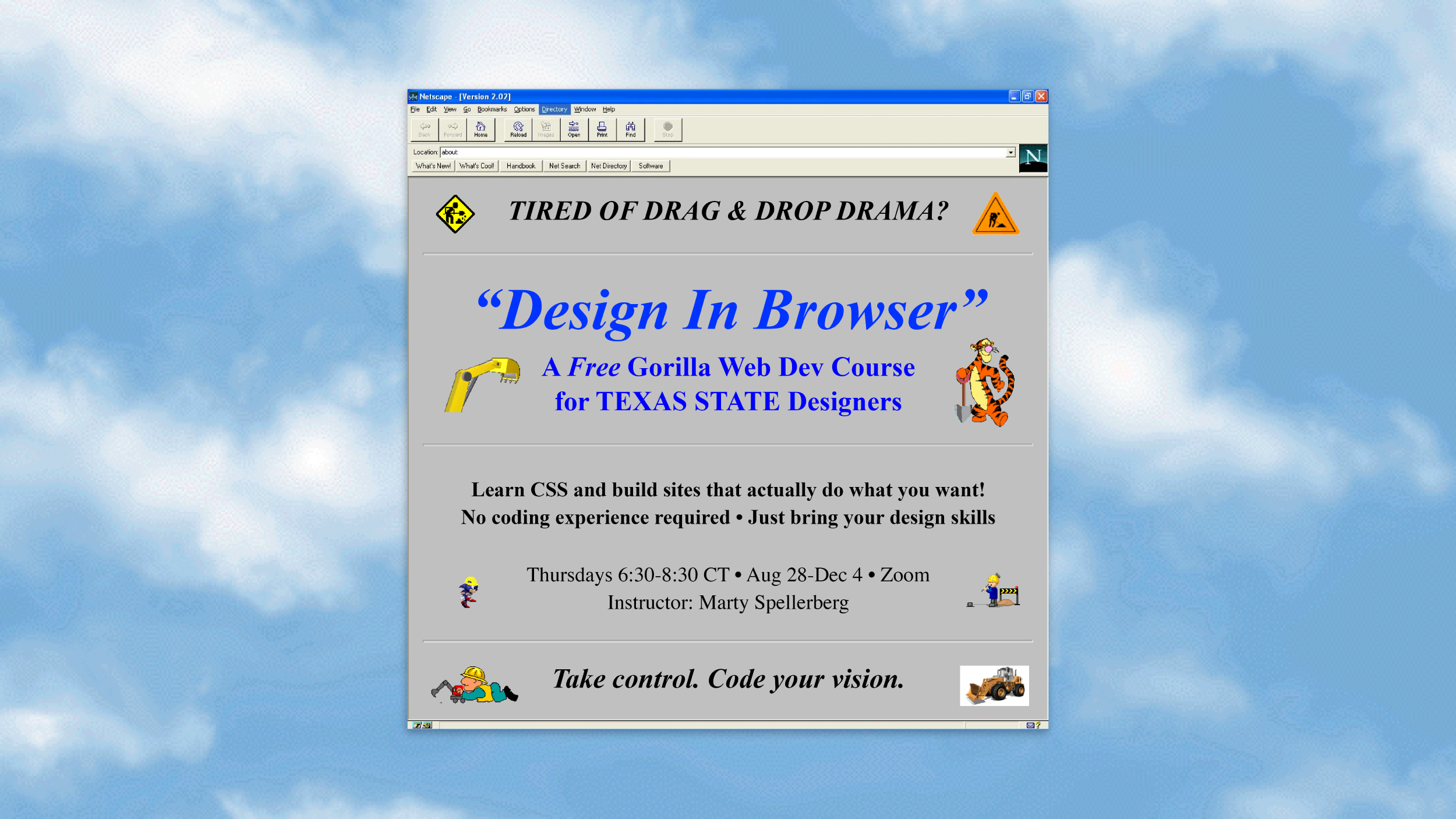
A friend in an MFA Design course was working on a digital version of her publication, but she was struggling with the Wix page builder. It wouldn’t let her control whitespace the way she wanted. What an impoverished state of affairs, I thought to myself. Read more
Classifying Emails with AI for Fun (and Non-Profit)
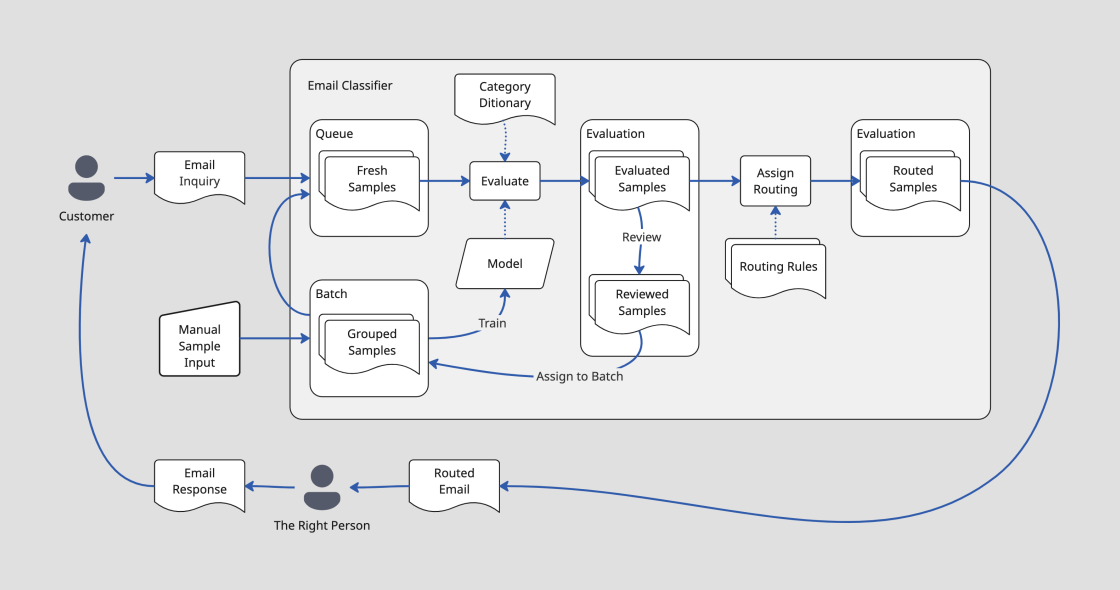
I will be presenting at the MCN 2025 conference this year, alongside designer and technologist Knut Graf. Our talk will focus on a prototype AI system we developed that classifies incoming emails based on multiple criteria, including subject matter, visitor type, and urgency. This system helps route messages to the appropriate team members with the relevant expertise, ensuring fair and timely responses. Read more
Supporting Expansive Narratives: Iterative Redesign of the Terra Foundation for American Art Website
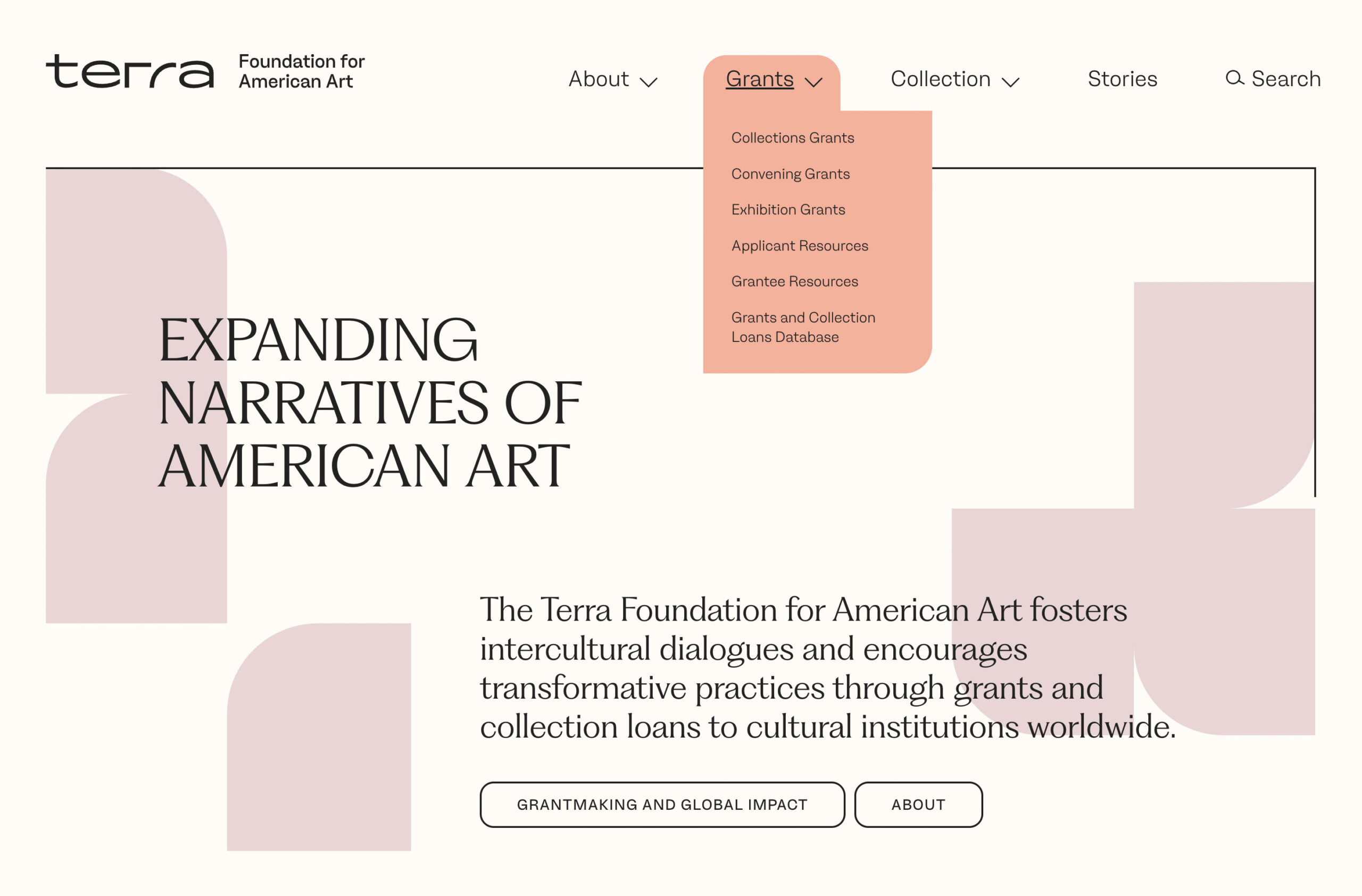
The Terra Foundation for American Art expands the narratives of American art through its grants, art collection, and initiatives. With offices in Chicago and Paris, the foundation collaborates with organizations to promote intercultural dialogues and encourage transformative practices, both locally and globally. This case study documents a multi-year evolution of the foundation’s website, culminating in the reveal of a redesigned site and a new visual identity in the spring of 2025. Read more
A Risograph-Printed Guide to the Spellerberg Projects Artist Community

As Executive Director of Spellerberg Projects, an artist-run center in Lockhart, Texas, I work daily with the artists who have studios in our building. We needed a guide that visitors could take home—something that showcased our community’s creative strength. Each page features a different artist or organization, accompanied by photos of their work and basic information about their practice. Read more
Making Model Weights from Ulises Carrión’s The New Art of Making Books
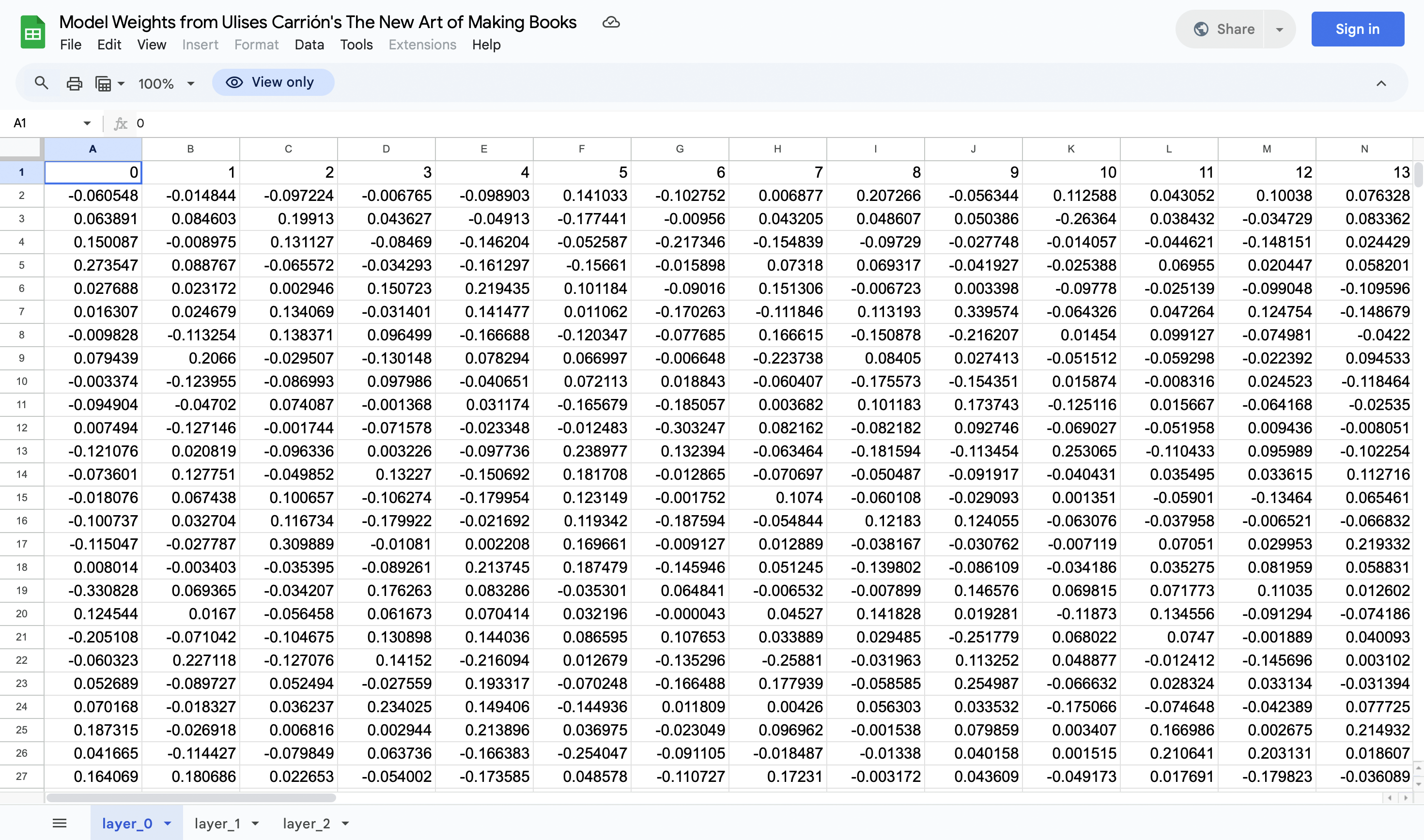
I was inspired to use Ulises Carrión’s 1975 manifesto, “The New Art of Making Books” as the basis for neural network model weights. The resulting weights symbolize how we may grapple with and express Carrión’s ideas using new language. Read more